
A good vegetarian meal should not feel like the compromise on the table. It should arrive colourful, satisfying and full of familiar comfort: a crisp burger with fries, a fragrant curry, a generous brunch or a warming bowl that carries you through a busy afternoon. For many people, vegetarian food is not about giving something up. It is about choosing meals that are thoughtful, flavourful and kind to both people and planet.
Whether you eat plant-based every day, are reducing meat a few meals at a time, or are simply looking for a café where everyone in your group can order with confidence, the most enjoyable vegetarian eating starts with variety. There is room for fresh salads and raw treats, but also for dosa, house-made sauces, hearty grains, satisfying proteins and a well-made coffee.
The difference between a meal that leaves you energised and one that has you hunting through the pantry an hour later often comes down to balance. Vegetables bring colour, texture and a wide range of nutrients, but they work best alongside a source of protein, satisfying fats and carbohydrates that suit the occasion.
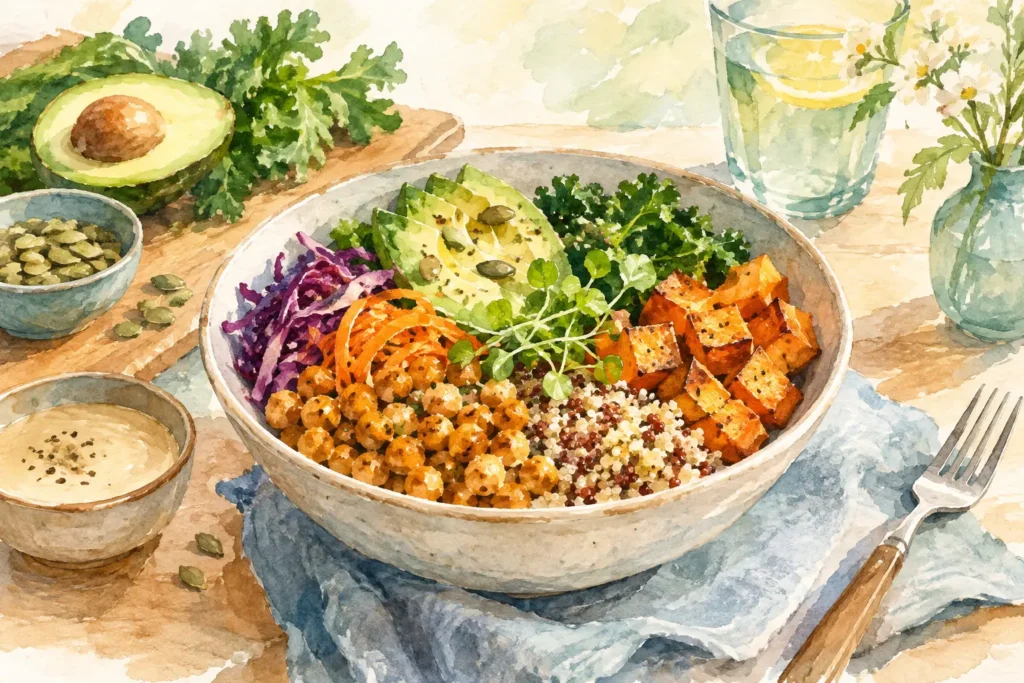
A nourishing lunch bowl, for example, may pair roasted vegetables with legumes, tofu or tempeh, whole grains, greens, seeds and a bright dressing. At breakfast, avocado, mushrooms, beans and plant-based yoghurt can turn toast or a brunch plate into something more substantial. Dinner might call for a lentil curry with rice, a vegetable-filled dosa or a burger that is built to be enjoyed, not merely tolerated.
There is no single formula that suits every diner. Someone heading out for a long walk may want a more generous serve of grains and legumes, while another person may prefer a lower-carbohydrate option such as a keto bowl. Children often appreciate recognisable flavours and textures, while adventurous eaters may be drawn to a daily special. A good vegetarian menu gives people choices without making them feel they have to explain themselves.
Plant-based protein can come from beans, lentils, chickpeas, tofu, tempeh, nuts, seeds and whole grains. Including these ingredients across the day helps make vegetarian meals more sustaining, particularly when meals are built around vegetables alone.
That said, food is more than a nutrient checklist. A creamy plant-based cheese, a spicy chutney, crunchy slaw or a properly seasoned patty can be what makes a dish memorable. The aim is not to make every meal clinical. It is to make everyday food feel complete and genuinely enjoyable.
Eating out is often a shared occasion. One person may be vegan, another gluten-free, another keen on a burger and another looking for a fresh juice after work. When a menu has been designed with care, nobody needs to settle for a token side dish while everyone else orders the main event.
This is where range matters. A café can offer a wholefood bowl for the diner seeking something light and nourishing, alongside curries, burgers, fries and comforting brunch plates for those wanting a more familiar meal. Smoothies, kombucha, ginger beer, loose-leaf tea and organic fair-trade coffee add to the experience, especially when a group is gathering at different times of day.
At The Lotus-Heart, this breadth is part of the welcome: plant-based dining that makes room for a quick coffee, a family lunch, a relaxed meal with friends or a Friday or Saturday dinner out. It is a practical reminder that conscious eating can belong in everyday life, not only on special occasions.
For many diners, dietary choices are closely tied to wellbeing, culture, faith or allergies. Clear menu information and knowledgeable staff can make a significant difference, particularly for people avoiding gluten, onion or garlic, or following a fully vegan diet.
It is worth remembering that a dish without gluten-containing ingredients is not automatically suitable for everyone with coeliac disease, because kitchen processes and cross-contact matter. The same applies to other allergens. If a requirement is medically necessary, let the team know when ordering and ask how the dish is prepared. A thoughtful café will welcome the conversation rather than treat it as an inconvenience.
Onion- and garlic-free eating can be particularly difficult when dining out, as both ingredients are common in sauces, stocks and curries. A dedicated menu creates more freedom for diners who avoid them, while still allowing flavour to come through herbs, spices, ginger, citrus, asafoetida where suitable, toasted seeds and carefully prepared vegetables.
Vegetarian food can be a meaningful way to support more considered food systems, but the details still count. Seasonal produce often tastes better and travels fewer kilometres. Locally grown ingredients can keep a café connected to its region. Organic sourcing, where possible, supports a different approach to growing food, while fair-trade coffee and tea recognise the people behind everyday rituals.
None of these choices needs to be presented as perfection. New Zealand produces some ingredients locally and relies on others from further afield, especially outside their growing season. Sometimes the most practical option will not tick every ethical box. What matters is a genuine effort to choose well, be transparent and keep improving.
Natural sweeteners and plant-based milks are also useful options for diners who want them, but they are not a shortcut to making every food a health food. A slice of cake can simply be a treat. A smoothie can be a convenient way to enjoy fruit and greens. The value of a vegetarian menu is that it can make room for both nourishing everyday choices and the pleasure of sharing something delicious.
You do not need to change every meal at once to enjoy the benefits of eating more plant-based food. Start with the meals you already like. If pasta night is a household favourite, try a lentil and tomato sauce or vegetables folded through a creamy cashew-based sauce. If you enjoy a weekend breakfast, add beans, mushrooms, spinach and avocado to the plate. If curry is already in rotation, make chickpeas, lentils or tofu the centrepiece.
Keeping a few versatile ingredients on hand makes this easier: canned beans, lentils, rice, noodles, oats, nuts, seeds, frozen vegetables, spices and a few fresh staples. The goal is not an Instagram-perfect fridge. It is having enough on hand to make a filling meal when time is short.
Flavour-building is especially helpful for new vegetarian cooks. Begin with a base of aromatics or spices that suit your needs, then add acidity from lemon, lime, vinegar or tamarind; richness from coconut milk, tahini, avocado or nuts; and texture from toasted seeds, fresh herbs or crisp vegetables. A simple bowl becomes far more appealing when it has contrast.
Vegetarian eating is sometimes framed as an all-or-nothing identity. In real life, it can be much more flexible. For some, it is a lifelong commitment rooted in care for animals. For others, it is a way to explore more vegetables, manage particular dietary preferences or choose a lighter lunch during the week. Each reason is valid, and a welcoming table has space for all of them.
The best meals are often the ones that make people linger: food with enough substance to satisfy, enough flavour to return for, and enough thought behind it that every diner feels considered. Choose the bowl, burger, curry or coffee that suits your day, and let vegetarian food be something generous you can share.