

A good dessert should feel generous. It should offer a little pause after lunch, something celebratory with coffee, or a satisfying sweet finish to a shared meal. Raw desserts do that in their own way, relying on whole ingredients such as fruit, nuts, seeds, coconut and cacao rather than baking, refined sugar or dairy.
For many plant-based diners, the appeal is simple: these treats can be creamy, rich and beautifully textured while still letting the flavour of the ingredients come through. A date-and-cacao slice, a berry cashew cheesecake or a lemon coconut tart need not feel like a substitute for anything. When it is well made, it is simply dessert – fresh, satisfying and full of character.
Raw desserts are generally made without conventional baking or cooking at high heat. Recipes often use a food processor, blender, freezer or dehydrator to create their texture instead. The exact definition varies between kitchens, particularly around temperature, but the practical idea is that ingredients are kept close to their natural state.
That does not mean every ingredient is literally uncooked or that every raw dessert follows identical rules. Oats, nut butters, coconut products and cacao may have been processed before reaching the kitchen. Some ingredients may be gently warmed to help them combine. The important point is transparency: a raw dessert is usually centred on minimally processed plant foods and prepared without an oven-baked finish.
The result is a style of sweet food with its own pleasures. Dates bring caramel-like depth, soaked cashews create a smooth filling, and coconut oil helps a slice set when chilled. Fresh fruit adds brightness that can be especially welcome after a rich savoury meal.
The best raw treats are built around contrast. A soft, creamy filling needs a base with some bite. Bright citrus or berries can balance the richness of nuts and coconut. A pinch of sea salt can make cacao taste deeper, while vanilla makes a simple cashew cream feel more rounded.
Dates are a familiar foundation because they bind ingredients together and provide natural sweetness. They work particularly well with walnuts, almonds, sunflower seeds and cacao for bases that are fudgy rather than crumbly. For people avoiding nuts, seeds can make a useful alternative, although the flavour and texture will be different.
Cashews are common in raw cheesecakes because soaking and blending them creates a pale, silky cream. Coconut yoghurt, avocado, banana and chia can also contribute body, depending on the recipe. There is no single formula, which is part of the appeal. A mango lime tart can be light and fruity, while a cacao hazelnut slice can be dense enough to share alongside a flat white or herbal tea.
Natural sweeteners such as dates, maple syrup and coconut nectar are often used in raw dessert recipes. They can bring more flavour than white sugar, but they are still sweeteners. This matters for anyone managing blood sugar, following a particular eating plan or simply trying to understand what is in their food. Wholefood ingredients are valuable, yet portion size and individual needs still count.
Raw desserts make it easier to include a sweet option in a plant-based meal without relying on dairy, eggs or heavily refined ingredients. They can also be naturally gluten-free when made without oats or other gluten-containing additions. For diners with several dietary requirements, that flexibility is genuinely helpful.
However, naturally gluten-free is not the same as guaranteed gluten-free. Cross-contact can occur in shared kitchens, and ingredients such as oats need careful checking. The same applies to nut allergies. Nuts are central to many raw desserts, so a beautifully made cashew tart may not be suitable for every guest. Clear ingredient information matters as much as creativity.
There is also a practical reason these desserts have become café favourites. Chilled slices and tarts hold their shape well, can be prepared ahead, and offer a refreshing counterpoint to warm cakes and muffins. On a Christchurch afternoon, a cool berry slice or citrus tart can be just the thing with a cold drink, while a cacao-based treat suits those looking for something a little more substantial.
It is easy to assume raw equals light, low-calorie or suitable for every wellness goal. In reality, it depends on the recipe and the portion. Nuts, coconut oil and dried fruit are nourishing ingredients, but they are also energy-dense. A small raw cheesecake can be wonderfully satisfying because it is rich.
That is not a reason to avoid it. It is simply a reason to enjoy it as dessert, rather than expecting a health label to change what dessert is for. The most helpful approach is to choose what feels right for the occasion: perhaps a shared slice after lunch, a fruit-forward option when you want something fresh, or a richer cacao treat when you want real indulgence.
For those following a keto-style diet, many conventional raw desserts will still be too high in natural sugars from dates, bananas or maple syrup. A keto-friendly raw option needs a different balance, often using nuts, coconut, cacao and lower-sugar sweeteners. It is worth asking about ingredients rather than assuming that raw and keto mean the same thing.
A good raw dessert should taste like its ingredients, not merely like sweetness. Look for a base that has texture, a filling that is smooth without being greasy, and enough acidity or bitterness to keep each bite interesting. Berry, lemon, passionfruit and orange work particularly well against creamy cashew or coconut fillings. Cacao, coffee and spices such as cinnamon or cardamom bring warmth and depth.
Freshness is equally important. Because many raw desserts are chilled and made with ingredients such as soaked nuts, fruit purée and coconut cream, careful refrigeration and food handling are essential. A reputable café should be able to explain how a dessert is stored and whether it contains common allergens. If you have a serious allergy, coeliac disease or a specific dietary requirement, let the team know before ordering.
At home, raw desserts are often easier to make than they look, but they reward patience. Soaking nuts softens them for blending, and chilling time helps fillings set cleanly. A powerful blender makes the creamiest results, though simpler recipes based on dates, oats or seeds can be made in a food processor. Start with a small slice recipe before attempting a tall celebration cake.
There is room for baked cakes, biscuits and traditional puddings alongside raw options. Conscious eating does not require a single definition of good food. It can mean choosing ingredients with care, accommodating the people around the table and allowing food to be joyful as well as nourishing.
At The Lotus-Heart, raw-food choices sit naturally within a wider plant-based menu designed to welcome different appetites and dietary needs. Whether you are already committed to raw eating or simply curious about a chilled slice made with recognisable ingredients, raw desserts offer a delicious reminder that thoughtful food can still feel like a proper treat.
Next time dessert is on the menu, choose the flavour that genuinely appeals to you. A bright berry tart, a creamy coconut slice or a rich cacao bite can be a small, satisfying way to linger a little longer over a meal shared in good company.

A diner should not have to feel awkward asking what is in their lunch. Good cafe dietary communication makes the conversation simple: a guest can explain what they need, staff can ask the right follow-up questions, and the kitchen receives clear, useful information. That is how a meal out remains welcoming for someone avoiding gluten, managing an allergy, choosing vegan food, or needing meals without onion and garlic.
For a plant-based café, this is more than a service detail. It is part of caring for the people at the table. A broad menu only feels genuinely inclusive when diners can understand their choices and trust that their questions will be taken seriously.
Dietary needs are not all alike. One guest may be looking for a naturally gluten-free meal by preference; another may have coeliac disease and need to understand possible cross-contact. Someone else may be vegan, while a family member avoids onion and garlic for health or religious reasons. Treating every request as the same can lead to confusion, disappointment and, in some cases, real risk.
Clear communication also protects the joy of eating out. People with dietary requirements often do extra planning before meeting friends for brunch or choosing a venue for a family lunch. When menu information is easy to find and staff respond calmly, the meal begins with relief rather than uncertainty.
Plant-based food can remove some common concerns, but it does not remove the need for detail. A vegan curry may contain gluten in a sauce. A gluten-free bowl may be served alongside ingredients handled in a shared kitchen. A smoothie may include nuts, soy or another allergen. Honest answers are more valuable than broad reassurance.
A good menu does not make people decode every dish. Clear descriptions should identify the ingredients most likely to matter, such as gluten-containing grains, nuts, soy, sesame, coconut, onion, garlic and plant-based cheeses. Dietary labels can be very helpful, provided they are accurate and staff know what they mean.
The wording matters. “Gluten-free” is different from “made without gluten-containing ingredients”. “Vegan” describes the ingredients, but does not automatically address allergen handling. If a dish can be adapted, say what can change rather than leaving guests to guess. For example, noting that a burger can be served with a gluten-free bun subject to availability gives a diner a practical starting point.
It also helps to show satisfying choices, not only substitutions. A guest avoiding gluten should be able to see nourishing bowls, curries, raw options or a suitable brunch without feeling that the only answer is to remove half a dish. Likewise, an onion- and garlic-free menu deserves to be treated as a considered offering, not an afterthought.
At The Lotus-Heart, menu variety can make this easier: familiar comfort food, fresh bowls and drinks can sit alongside more specific dietary options. The aim is not to make anyone feel like they are ordering a special favour. It is to offer food that is enjoyable in its own right.
Menu labels need reviewing whenever a recipe, supplier or garnish changes. Small changes can matter. A new stock powder, a different plant milk, or a topping added to a daily special may alter whether a dish suits a particular guest.
If there is any uncertainty, it is better to pause and check than to give a confident but incomplete answer. A short wait for a verified response is far preferable to a vague “it should be fine”.
Dietary communication works best when staff invite the conversation without making it heavy. A simple question such as, “Do you have any allergies or dietary needs we should let the kitchen know about?” gives guests permission to speak up.
When a guest raises a requirement, the next step is to clarify rather than assume. “Is this an allergy, coeliac requirement, intolerance or preference?” may feel direct, but it helps the team understand the level of care needed. Staff do not need to interrogate diners or offer medical advice. They simply need enough information to communicate the request accurately.
For example, a guest saying they are “gluten-free” could mean several things. The team can explain which meals do not contain gluten ingredients, then be transparent about shared preparation areas or fryers where relevant. The diner can make an informed decision based on their own needs.
The same care applies to vegan requests. Although a vegetarian and vegan café may use plant-based ingredients throughout much of the menu, guests can still need confirmation about particular items, seasonal specials or packaged products. Avoiding assumptions is a sign of respect, not inconvenience.
Phrases such as “allergen-free” or “completely safe” are rarely appropriate in a working café kitchen, especially where allergens are present. Equipment, benches, utensils and fryers can be shared, and suppliers can change ingredients.
A better approach is clear, specific language: “This dish has no gluten-containing ingredients, but it is prepared in a kitchen that handles gluten.” Or: “We can ask the kitchen to leave out onion and garlic, but we will check the sauce first.” This lets diners weigh their own level of risk without feeling dismissed.
A carefully handled conversation can still fail if the message becomes unclear between the counter and the kitchen. The dietary requirement should be recorded in a consistent format on the order, not passed on as a casual verbal note. The kitchen needs to see both the requested change and the reason when relevant, such as “coeliac” or “nut allergy”.
Consistency matters more than complicated systems. Whether orders are written by hand or entered into a point-of-sale system, everyone should use the same abbreviations and procedures. Staff should know when to speak directly with the cook, when a manager needs to be involved, and when the honest answer is that the café cannot safely meet a request.
Before a meal leaves the pass, a final check can prevent common errors: the correct bread, sauce, garnish, milk or side dish. This is especially worthwhile when meals look similar but have different dietary instructions. A gluten-free toast order can be undone by an ordinary garnish placed on the plate at the last moment.
For takeaway orders, labelling is just as useful. A guest collecting several meals should be able to tell which dish has the requested modification without opening every container. This small step is particularly considerate for busy families and workplaces.
The strongest dietary systems are supported by a calm team culture. New staff need more than a list of menu abbreviations. They should understand why accuracy matters, where to find ingredient information, and who to ask when they do not know the answer.
Regular short briefings are often more useful than a single training session. Discuss a new special, an ingredient change, an unavailable substitute or a customer question that revealed a gap in the process. This keeps knowledge practical and current.
It is also worth listening to the people who use the menu most carefully. If guests regularly ask whether a dish contains garlic, whether chips share a fryer, or which smoothie has no nuts, that is useful feedback. The question may point to a label that needs improving or a staff answer that needs standardising.
Many dietary conversations begin well before someone reaches the café. Guests may be choosing where to meet, planning a celebration or deciding whether a child can eat comfortably. Clear menu information and a welcoming invitation to discuss needs can make that decision much easier.
Reservations offer a useful opportunity to record significant dietary requirements in advance. It gives the team time to check ingredients, plan options and explain any limitations honestly. For walk-ins, the same warmth still matters: a helpful conversation can turn a tentative first visit into a regular habit.
Thoughtful cafe dietary communication is not about promising every possible adaptation. It is about being prepared, truthful and kind. When diners know they will be heard, they can spend less energy managing their meal and more time enjoying the company around the table.

A cup of coffee, a bowl of lentil curry or a slice of cake can carry a much bigger story than its ingredients list suggests. Ethical sourcing is about paying attention to that story: who grew the food, how they were treated, what happened to the soil and waterways, and whether animals or communities carried an unfair cost along the way.
For many people, choosing plant-based food is one part of living with care. It can reduce reliance on animal agriculture, but it does not automatically answer every question about labour, farming practices, packaging or transport. Conscious dining asks us to look a little further, without expecting perfection from every meal.
Ethical sourcing is the practice of choosing ingredients and products with people, animals and the environment in mind. In hospitality, that can mean building relationships with local growers, selecting certified fair-trade coffee, choosing organic ingredients where practical, and asking suppliers clear questions about where food comes from.
The term is sometimes used loosely, so it helps to be specific. A food business may source locally but not organically. Another may use organic produce that has travelled a long distance. Fair-trade certification can support better conditions and prices for producers, while a small local supplier may not hold formal certification but may still farm with deep care for land and workers.
There is no single label that settles every ethical question. Good sourcing is less about claiming a flawless supply chain and more about making informed choices, being honest about the limits, and continuing to improve.
Food is often priced as though labour has little value. Yet growing, harvesting, processing and transporting ingredients requires skilled people, frequently working in conditions that customers never see. Ethical purchasing considers whether producers receive a fair return and whether workers are protected from exploitation.
Fair-trade products are particularly relevant for ingredients that cannot be grown locally in meaningful quantities, such as coffee, cocoa, tea and many spices. Certification is not the only measure of fairness, but it offers a practical framework: better trading terms, premiums that can support community projects, and standards around working conditions.
For diners, this can make a daily ritual feel more considered. House-roasted organic fair-trade coffee, for example, brings together flavour, quality and a commitment that reaches beyond the café counter.
Ethical food choices also involve the health of the ecosystems that make food possible. Intensive farming can place pressure on soils, waterways, pollinators and wildlife, particularly where heavy chemical use or monoculture production becomes the norm.
Organic growing is one useful part of the picture. It generally limits synthetic inputs and places greater emphasis on soil health, although organic certification alone does not guarantee low emissions, local production or ideal labour conditions. Seasonal, locally grown produce can reduce transport distances and help keep food dollars circulating within the regional economy. It can also mean accepting that a favourite ingredient may not be available all year.
That seasonal shift is not a loss. It is an invitation to eat with the rhythm of local harvests, enjoy daily specials, and let fresh produce shape the plate rather than expecting every fruit and vegetable at every moment.
For vegetarians and vegans, animal welfare is often the clearest reason to consider ethical sourcing. Plant-based meals avoid the direct use of animal products and can make familiar food, from burgers and fries to creamy curries, available with a lighter footprint.
However, ethical plant-based eating still benefits from curiosity. Coconut products, chocolate, cashews and avocados can involve complex overseas supply chains. Highly processed vegan foods may be convenient and enjoyable, yet their ingredient origins can be harder to trace than wholefoods from nearby growers.
This does not mean every meal must be raw, local and made from scratch to count. It means balance matters. A menu that includes nourishing bowls, wholefood ingredients, plant-based milks and cheeses, and satisfying comfort food gives people room to make choices that suit their needs and values.
It is easy to feel that ethical eating requires a detailed investigation before every purchase. For busy families, students and professionals, that is neither realistic nor particularly helpful. Food choices happen within budgets, allergies, availability, time and cultural preferences.
A locally grown apple may be a stronger choice than an imported organic alternative in one season. At another time, certified fair-trade bananas may be the more practical option. Gluten-free diners, people avoiding onion and garlic, and those managing allergies may need to prioritise safety and suitability first. These needs are valid, not a failure of ethical intent.
The most useful approach is progress over purity. Choose better options when they are available, support businesses that are transparent about their values, and leave room for the realities of everyday life. A meal should still be nourishing, affordable and enjoyable.
Ethical sourcing becomes more meaningful when it is paired with openness. Diners do not need a lengthy supply-chain report with lunch, but they can reasonably expect clear answers to simple questions about food and drink.
You might ask whether produce is sourced locally when in season, whether coffee and chocolate are fair trade, or which organic ingredients are used regularly. If you have dietary requirements, ask how dishes are prepared and whether staff can help you find suitable options. Clear communication matters just as much as ingredient standards when someone is choosing gluten-free, vegan, raw-food or onion- and garlic-free meals.
Restaurants also need to be careful not to overstate their claims. Weather, supply interruptions and changing prices affect what can be purchased at any given time. A café that says it uses organic sourcing where possible is being more useful than one making broad promises it cannot consistently keep.
The best ethical choices often feel ordinary rather than worthy. They appear in a good coffee made with fair-trade beans, a smoothie built around simple ingredients, a curry that makes vegetables the centre of the meal, or a seasonal special that uses what local growers have ready.
They also show up in the decisions behind the menu: offering plant-based options that are generous rather than restrictive, using natural sweeteners where suitable, and making room for different dietary needs at the same table. At The Lotus-Heart, this approach helps make conscious dining welcoming for committed vegans, curious newcomers and families looking for a satisfying meal together.
There are trade-offs, of course. Small-scale and certified ingredients can cost more. Local suppliers may have limited volume. A broader menu may require ingredients from beyond Canterbury or New Zealand. Responsible hospitality is not about pretending these tensions disappear. It is about weighing them thoughtfully and choosing the better path where possible.
Individual purchases will not repair every problem in the food system, but they do send signals. When people choose fair-trade coffee, ask for seasonal produce, support plant-based meals and return to businesses that treat sourcing seriously, those decisions help shape demand.
The same is true for cafés and restaurants. Each supplier relationship, menu change and purchasing decision can support a food culture that values nourishment alongside fairness. It is patient work, often invisible work, but it matters.
The next time you sit down for breakfast, lunch or a shared dinner, consider the care that may have travelled with your meal. Choosing food that reflects your values can be a simple, everyday way to look after people, animals and the places that feed us.

A vegetarian café review should answer a simple question: would you happily bring different people to the same table? The committed vegan, the gluten-free friend, the family with hungry children and the colleague who simply wants a good burger all deserve a meal that feels generous, not like a compromise.
For plant-based diners, choice is part of hospitality. A café can have strong values and still fall short if its menu is narrow, its portions are forgettable or staff cannot confidently explain what is in a dish. The best vegetarian dining makes conscious choices feel easy: familiar food is available, ingredients are thoughtfully selected, and there is something nourishing for every kind of appetite.
Flavour comes first. Plant-based food does not need to imitate every meat-based meal, but it should have depth, contrast and comfort. A satisfying breakfast might balance crisp potato, creamy plant-based elements, fresh greens and a bright dressing. A curry needs warmth and body rather than relying on heat alone. A burger should arrive with real substance, alongside properly cooked fries, not as an afterthought.
The menu also needs range. People visit cafés for different reasons: a quick coffee before work, a long catch-up over brunch, a wholesome lunch, or a relaxed dinner on a Friday or Saturday evening. A good vegetarian café acknowledges those occasions with more than one style of food. Nourishing bowls and fresh salads sit comfortably beside dosa, curries, burgers and daily specials. Smoothies, juices and kombucha offer lighter options, while a well-made organic fair-trade coffee gives regular café visitors a reason to return.
That variety matters for mixed groups. A flexitarian may be drawn to a familiar comfort meal, while a long-time vegan may be looking for a wholefood dish with plenty of vegetables and protein. Neither should feel that the menu was designed for somebody else. The strongest plant-based cafés make room for both.
Dietary inclusion is easy to promise and harder to deliver consistently. For many diners, gluten-free options, raw-food choices or meals without onion and garlic are not passing preferences. They can be essential for comfort, wellbeing or cultural and personal eating practices.
A thoughtful review looks beyond whether a menu has symbols beside dishes. Are there meaningful choices rather than one token option? Can staff explain plant-based cheeses and milks clearly? Is there enough flexibility to help a diner choose with confidence? While no café can meet every dietary requirement in every circumstance, clear communication and a considered menu make a substantial difference.
The same applies to health-focused eating. A keto bowl, for example, will not suit every plant-based diner, and a raw option may not be what someone wants on a cold Christchurch morning. That is exactly why breadth matters. A café should give guests practical choices without suggesting that one way of eating is morally superior to another.
At The Lotus-Heart, the menu reflects the reality that people want different things from the same visit. There are wholefood-focused meals for diners seeking fresh, nourishing ingredients, alongside global comfort food for days when a curry, dosa or burger is what sounds right. Natural sweeteners, locally grown produce where possible and organic sourcing where available support a food philosophy grounded in care rather than restriction.
The result is a menu that can work across the day. Breakfast does not have to be rushed or overly sweet. Lunch can be light and fresh or warm and filling. Dinner service on selected Friday and Saturday evenings creates an option for those who want a more unhurried shared meal, though it is sensible to check the current service times before making plans.
Drinks deserve attention in any café assessment. House-roasted organic fair-trade coffee speaks to both quality and sourcing, while teas, fresh juices, smoothies, kombucha and ginger beer mean non-coffee drinkers are not left with a single default choice. For a café built around conscious living, that range is part of the welcome.
Food is only one part of why people become regulars. The atmosphere of a vegetarian café should feel open to newcomers, not reserved for people who already know the language of plant-based eating. Guests may arrive curious, cautious or deeply committed to ethical food. Each deserves the same straightforward service.
An inclusive venue also understands that dining can be social care. It is the friend who needs an onion- and garlic-free meal but does not want a fuss made about it. It is the parent looking for a table where children are welcome. It is the office group trying to choose somewhere that accommodates several diets without turning lunch into a negotiation.
Community-minded hospitality shows up in small, useful details: staff who listen, a menu that makes selection easier, and a relaxed setting where people can stay for another cup of tea. A free membership system can support that relationship by keeping regular guests connected without putting a barrier between the café and someone visiting for the first time. Members and guests should both feel welcome at the table.
A fair vegetarian café review also considers value honestly. Wholefood ingredients, plant-based cheeses, organic products and specialist dietary preparation can cost more than a basic café meal. Diners notice the price, but they also notice portion size, freshness, care in preparation and whether a meal keeps them satisfied beyond the next hour.
Value will depend on the occasion. A smoothie and a small raw treat may be exactly right for a light afternoon stop. It may not suit someone who has skipped lunch and needs a substantial plate. A good menu makes those distinctions visible, offering enough choice for guests to order according to appetite and budget.
There is also value in reliability. When someone with dietary needs finds a café where they can order without lengthy explanations, that trust is worth returning for. When a group knows there will be options for vegan, vegetarian and gluten-free diners, deciding where to meet becomes much easier.
Plant-based regulars will appreciate a menu where vegan food is central rather than an add-on. Vegetarians have the freedom to choose across a broad range of meals, and flexitarians can enjoy familiar dishes made with thoughtful ingredients. Diners interested in organic sourcing, fair trade coffee and locally grown produce will find those values reflected in practical choices rather than treated as decoration.
It is also a comfortable fit for people who want nourishment without losing the pleasure of eating out. Some days call for a bright bowl and fresh juice. Other days call for fries, a burger and good company. A café that can hold both moods is better placed to become part of a neighbourhood’s routine.
If you are choosing where to eat, start with what will make everyone at your table comfortable: a menu with real variety, staff who understand dietary needs, and food that feels satisfying from the first bite to the last. That is a more useful measure of a good café than any label alone.

A ripe Canterbury tomato in late summer, crisp greens after a cool spring morning, a tray of earthy root vegetables ready for roasting – these are simple ingredients, but they can make everyday plant-based food feel generous. Canterbury organic produce offers a practical way to bring seasonal flavour, thoughtful growing practices and more connection to our region onto the plate.
Organic food is not about chasing perfection or making every meal complicated. It is about choosing ingredients grown with care where possible, then preparing them in ways that let their natural character come through. For households balancing busy workdays, varied dietary needs and a food budget, that approach can be both nourishing and realistic.
Canterbury has a long agricultural history, varied growing conditions and a strong culture of local food. That means the produce available across the region changes meaningfully through the year. Buying closer to the season often brings better flavour and a useful reminder that food does not need to look identical every month to be enjoyable.
Organic growing generally works with practices designed to build healthy soil and reduce reliance on synthetic fertilisers and pesticides. Standards and certification matter, but so does asking good questions. A small grower may follow careful organic principles without holding formal certification, while a certified product may have travelled a long way. Neither choice is automatically better in every situation.
For many people, the most considered choice is a balance: local and organic when available, seasonal when it makes sense, and always within the means of the household. A weekly shop does not have to be all-or-nothing to reflect your values.
Plant-based cooking relies heavily on vegetables, fruit, legumes, grains, herbs and spices. When the vegetables are fresh, a meal needs less fussing. A sweet carrot can carry a warming curry. Properly ripe stone fruit can turn porridge, yoghurt or a smoothie into breakfast worth sitting down for. Fresh spinach, silverbeet or kale can lift a simple bowl of brown rice and lentils.
This is especially helpful for people moving towards more plant-based meals. Familiar food remains satisfying when the ingredients have colour, texture and flavour. A burger with a bright salad and properly cooked fries, a dosa with seasonal vegetables, or a bowl of roasted pumpkin and beans can feel like comfort food rather than a compromise.
There is no single right shopping method. Some people plan around a vegetable box; others visit a farmers’ market, a local greengrocer or a health food store. Some need the convenience of a supermarket shop. Start with the approach you can sustain, rather than creating a routine that feels demanding after two weeks.
When selecting Canterbury organic produce, look for produce that is in good condition, smells fresh and suits how you intend to use it. Minor marks or uneven shapes rarely affect flavour, particularly for soups, curries, sauces, juices and baking. Choosing these less polished vegetables can also help reduce food waste.
If you are unsure whether something is certified organic, ask the retailer or grower how it was produced. Clear, respectful questions are useful: Is it certified? Is it grown locally? What does the farm use for soil fertility and pest management? Good food businesses should welcome reasonable interest in where ingredients come from.
Organic options can cost more at times, particularly outside the main season or when crops have been affected by weather. Rather than feeling pressure to buy everything organic, consider prioritising the ingredients you eat most often, especially leafy greens, berries and fruit eaten with the skin on. Buy conventional seasonal produce alongside it if that makes the weekly budget work. More vegetables on the plate is a positive outcome either way.
Seasonal eating does not require a strict calendar. It simply means noticing what is plentiful and allowing that to guide a few meals each week.
In spring, tender greens, herbs, peas and asparagus suit bright salads, grain bowls and light vegetable fritters. Add lemon, toasted seeds and a creamy tahini dressing for a meal with plenty of substance.
Summer is generous with tomatoes, courgettes, berries, cucumbers, salad leaves and stone fruit. These ingredients are ideal for colourful lunches, chilled smoothies, tomato-rich sauces and platters shared with family or friends. When tomatoes are at their best, a simple toast topped with smashed beans, herbs and sliced tomato needs very little else.
Autumn brings apples, pears, pumpkins, kūmara, mushrooms and brassicas. This is the season for roasted vegetable salads, creamy soups, curries and baked dishes. A tray of pumpkin, red onion, cauliflower and chickpeas can become several meals: serve it warm with tahini, fold it through a grain salad, or spoon it into wraps with leafy greens.
Winter vegetables are made for slow, comforting cooking. Beetroot, carrots, parsnips, cabbage, leeks and silverbeet work beautifully in soups, stews, lentil bakes and savoury pies. A well-seasoned pot of vegetable and bean soup is also one of the most affordable ways to make organic vegetables stretch across several lunches.
A little planning helps prevent good food becoming compost too soon. Store leafy greens, herbs and berries where they will be seen and used early in the week. Keep root vegetables, onions and pumpkins in a cool, dark place. Wash produce shortly before eating where possible, rather than washing everything immediately and risking excess moisture shortening its life.
When vegetables begin to soften, give them a new job. Wilting greens can go into a curry or soup. Soft tomatoes can become a quick sauce. Overripe bananas are perfect for smoothies or baking. Fruit that has lost its crunch can be stewed gently with cinnamon and served over oats or plant-based yoghurt.
Freezing is another quiet kitchen ally. Freeze berries, chopped bananas, herbs, grated courgette or cooked pumpkin in portions. This keeps the flavour of a good seasonal buy available for later and makes nourishing meals easier on busy days.
Fresh produce is naturally useful for many dietary patterns, but preparation matters. A vegetable dish may be gluten-free at its core yet served with a sauce containing gluten. A soup may be plant-based but include onion or garlic. For people with allergies, intolerances or specific health needs, transparent ingredients and thoughtful handling are as important as the produce itself.
At home, keeping meals adaptable can make shared eating much easier. Build a base of roasted vegetables, rice, quinoa or potatoes, then offer additions separately: beans, toasted nuts or seeds, plant-based cheese, fresh herbs, chilli, dressings and sauces. This allows each person to make a satisfying plate without turning dinner into several entirely separate meals.
The same principle helps when eating out. Ask clearly about ingredients, cross-contact and substitutions, particularly for gluten-free, onion-free or garlic-free requirements. A welcoming café should treat these questions as part of good hospitality, not as an inconvenience. At The Lotus-Heart, locally grown ingredients and organic sourcing where possible sit alongside a menu designed to welcome a wide range of dietary needs.
Food values are strongest when they can be practised regularly. Buying a bag of local organic apples, choosing seasonal greens for dinner, or using every part of a bunch of beetroot are small actions, yet they support a more attentive relationship with food. The aim is not a flawless pantry. It is a kitchen that feels alive, generous and workable.
Next time you are choosing vegetables, begin with one seasonal ingredient that looks especially good. Take it home, keep the preparation simple, and let its colour and flavour lead the meal.
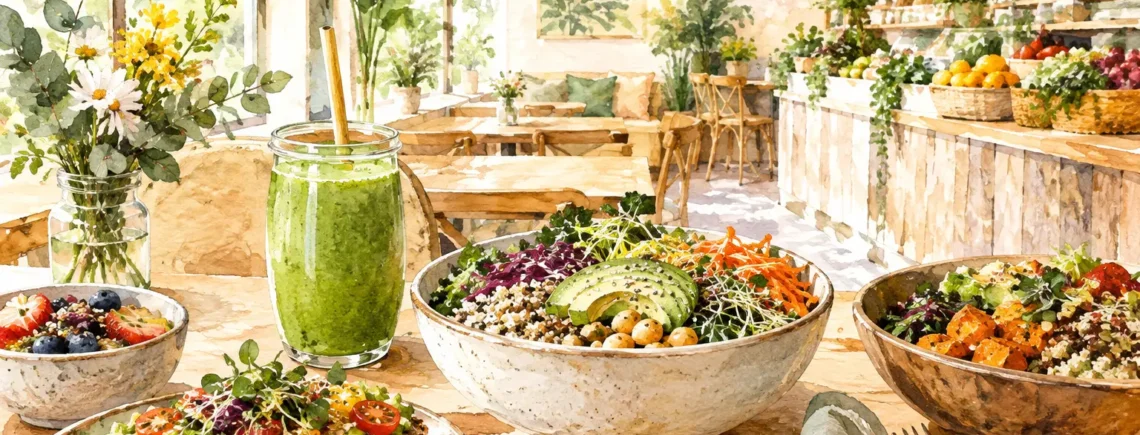
A good wholefood cafe does more than offer a green smoothie and a grain bowl. It gives people a place to eat well without having to compromise on comfort, flavour or the simple pleasure of sharing a meal. Whether you are meeting friends for brunch, grabbing lunch between appointments or bringing the family out for dinner, nourishing food should still feel generous.
For many people, wholefood eating is not about following a perfect set of rules. It is about choosing meals made with recognisable ingredients, plenty of plants and thoughtful preparation. The best cafés make that choice easy, welcoming committed vegans, vegetarians, flexitarians and anyone who simply wants a satisfying meal.
Wholefood food is generally food that is close to its natural form and minimally processed. Think vegetables, fruit, legumes, whole grains, nuts, seeds, herbs and quality plant-based proteins. In a café setting, that can mean a colourful breakfast bowl, a warming curry, a substantial burger, a freshly made juice or a slice of raw dessert.
That said, wholefood dining does not need to be rigid. A meal can be health-conscious and still include crisp fries alongside a burger, a creamy plant-based sauce or a comforting dosa fresh from the kitchen. Balance matters more than perfection. A café that treats every diner as though they must order the lightest thing on the menu can make conscious eating feel restrictive rather than enjoyable.
A well-considered menu gives diners options for different appetites and occasions. Some days call for a fresh salad or smoothie; other days call for a hearty curry, a burger with all the trimmings or a shared lunch after a long week. Plant-based food has room for both nourishment and comfort.
Local produce, organic ingredients where possible and fair-trade drinks are meaningful choices, but they work best when matched with care in the kitchen. Fresh vegetables need good seasoning. Whole grains need texture and flavour. Plant-based cheeses and milks need to complement a dish rather than appear as an afterthought.
This is where a wholefood café can show its character. A menu inspired by different food traditions brings variety to everyday dining. Indian-style curries, dosa, wholesome bowls, café brunches and familiar favourites can sit together naturally when they are prepared with attention. The goal is not to make every dish taste worthy. It is to make it taste good.
Natural sweeteners and less heavily processed ingredients can also be part of the offering, particularly for diners looking for a gentler alternative to conventional café food. But labels alone do not tell the full story. A wholesome meal should be filling enough to carry you through the afternoon, and a treat should feel like a treat. Honest portions, clear ingredients and flavours people want to return for matter most.
Café culture is often built around the cup in your hands. House-roasted organic fair-trade coffee, quality tea, kombucha, ginger beer, cold-pressed juices and smoothies all create different reasons to visit. Someone may come in for a long lunch, while someone else only has time for a coffee and a slice before work.
For plant-based diners, it also helps when non-dairy milk is treated as a standard choice rather than an inconvenience. The same goes for smoothies: they can be genuinely nourishing without becoming a confusing list of powders and promises. Fruit, greens, seeds, plant milks and other whole ingredients often speak for themselves.
A broad menu is valuable, but clear dietary information is what makes people feel comfortable ordering. For a person avoiding gluten, onion or garlic, eating out can involve a lot of questions and uncertainty. For someone managing an allergy, it may determine whether a café feels safe enough to visit at all.
A thoughtful wholefood cafe makes these needs visible and normal. Gluten-free choices, raw-food options and meals without onion or garlic should not be hidden away as special requests. When staff understand the menu and the kitchen can explain what is possible, diners can relax and enjoy the experience.
There are limits, of course. Shared kitchens and changing daily specials mean that no café should make promises it cannot keep. Clear communication is more helpful than vague reassurance. If cross-contact is a concern, or an ingredient has changed, diners deserve to know. Care is not about claiming to suit everybody perfectly; it is about taking each person seriously.
Not every member of a group will be looking for the same thing. One person may want a keto bowl, another may be keen on a curry, and children may be happiest with a familiar meal. This is why variety matters. It allows families, colleagues and friends with different preferences to sit at one table without anyone feeling like the difficult order.
Inclusive menus also help introduce plant-based food to newcomers. A person who would not usually choose a vegan café may happily start with a burger, fries and a good coffee. That first meal does not need to prove a point. If it is flavourful, satisfying and served warmly, it can broaden someone’s idea of what plant-based dining can be.
Food is personal, but cafés are shared spaces. A welcoming room gives people somewhere to meet after appointments, pause during a busy city day, celebrate a birthday or catch up over brunch. For regulars, the familiar faces and dependable menu can matter as much as the meal itself.
This sense of belonging should extend to both committed members of a conscious-living community and those who are simply curious. Free membership programmes, birthday treats and helpful staff can build connection without creating an insiders-only atmosphere. People should feel welcome whether they have followed a plant-based diet for years or are ordering their first oat-milk flat white.
In Christchurch, a long-standing café also becomes part of the city’s everyday rhythm. It can be a dependable choice for locals who care about how their food is sourced, as well as visitors looking for a meal that caters thoughtfully to a range of needs. Consistency matters here. Diners return when they know they can find good food, friendly service and clear choices.
There is no single best order at a wholefood café. It depends on your appetite, your dietary needs and the kind of day you are having. A smoothie may suit a quick morning stop, while a warm bowl or curry is more appealing on a cool afternoon. If you are dining with others, a menu with both lighter and more substantial options makes the decision easier.
It can be useful to look beyond the name of a dish and consider what will leave you satisfied. A bowl with legumes, grains, vegetables and a good dressing may offer more staying power than a juice alone. A burger can be a balanced choice when it comes with a nourishing patty and fresh fillings. And sometimes the right choice is simply the meal you are genuinely looking forward to.
The Lotus-Heart is built around that kind of generous choice: plant-based food that respects individual needs while leaving room for comfort, flavour and connection. The most worthwhile café meal is often the one that lets you leave feeling cared for, well-fed and ready to come back with someone else.
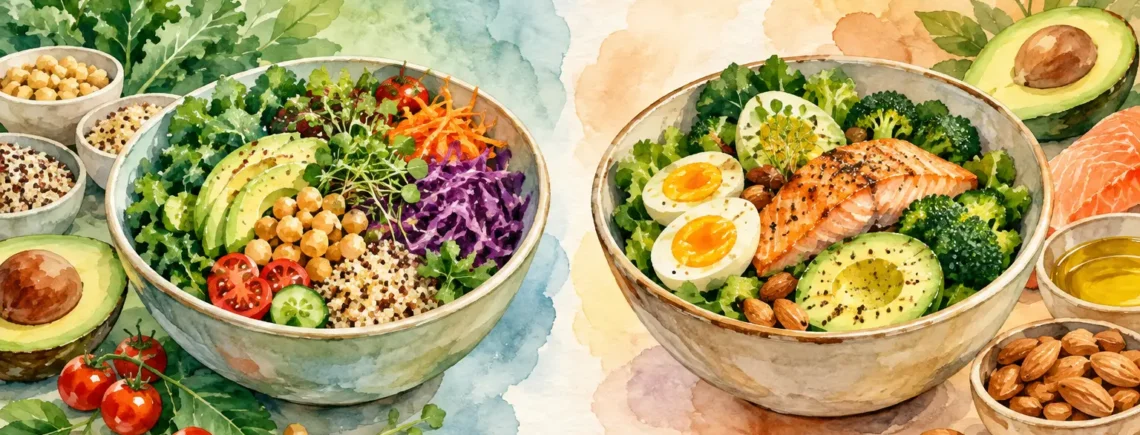
A lunch choice can feel surprisingly personal. One person wants a generous bowl of grains, greens and beans; another is looking for a lower-carbohydrate meal that will carry them through a busy afternoon. When considering plant based versus keto meals, the most useful question is not which label is best. It is which way of eating helps you feel nourished, satisfied and comfortable over time.
Both approaches can include plenty of vegetables, thoughtful cooking and whole ingredients. They differ most in how they treat carbohydrate-rich foods such as fruit, legumes, grains and starchy vegetables. Understanding that difference makes it easier to choose a meal without turning lunch into a set of rules.
A wholefood plant-based meal centres plants in their recognisable forms: vegetables, fruit, legumes, whole grains, nuts, seeds and minimally processed plant foods. It may be vegan, but plant-based eating can also be a broader approach rather than a strict identity. A colourful curry with brown rice, a lentil burger with salad, or a bowl with roasted vegetables, beans and tahini can all fit comfortably here.
A ketogenic, or keto, meal is designed to be very low in carbohydrate and higher in fat. The aim is generally to encourage ketosis, a metabolic state in which the body uses fat and ketones as a major fuel source. Conventional keto menus often rely on meat, eggs and dairy, but a plant-based keto meal can be built from vegetables, tofu, tempeh, nuts, seeds, avocado, olives, coconut and plant-based cheeses.
The practical distinction is that a plant-based approach usually welcomes fibre-rich carbohydrates, while keto restricts them. Neither automatically guarantees a nutritious meal. A plate of chips can be vegan, and a keto meal can be low in vegetables. Food quality, variety and how the meal suits your needs still matter.
Plant-based meals make it easier to include a wide range of naturally fibre-rich foods. Fibre supports regular digestion, helps meals feel filling and contributes to a healthy gut microbiome. Legumes, oats, brown rice, vegetables, fruit, nuts and seeds each bring their own mix of fibre, vitamins, minerals and plant compounds.
For many people, carbohydrates from whole foods are useful, reliable energy. A breakfast of oats, fruit and seeds or a lunch with beans and whole grains can support active days, walking, study, physically demanding work and family life. These foods are also often more affordable and familiar than specialised diet products.
Plant protein deserves a little planning, but it need not be complicated. Beans, lentils, chickpeas, tofu, tempeh, soy yoghurt, nuts, seeds and whole grains all contribute. Across a varied day, most people can meet their protein needs without relying on one ingredient at every meal.
A well-composed plant-based plate commonly has vegetables for colour and micronutrients, a protein source such as legumes or tofu, satisfying carbohydrates such as grains or kumara, and a flavourful fat such as avocado, nuts, seeds or a good dressing. It is comfort food with staying power, not an exercise in going without.
A fully plant-based diet does require attention to vitamin B12, which generally needs to come from fortified foods or a supplement. Depending on individual circumstances, iron, iodine, calcium, vitamin D, zinc and omega-3 fats may also deserve consideration. This is not a reason to avoid plant-based eating. It is simply sensible nutrition.
Absorption matters as well as intake. Pairing iron-rich lentils or leafy greens with vitamin C-rich capsicum, citrus or tomatoes can be helpful. Including fortified plant milks, calcium-set tofu, sesame seeds and leafy greens supports calcium intake. If you have a diagnosed deficiency, are pregnant, have a medical condition or take regular medication, personalised advice from a qualified health professional is the right next step.
Some people enjoy keto meals because reducing carbohydrate can make their appetite feel steadier or simplify food choices. A meal built around leafy greens, tofu, avocado, seeds and a creamy dressing can be satisfying without the afternoon slump that some people associate with larger refined-carbohydrate meals.
Keto can also be medically prescribed in particular circumstances, including for some forms of epilepsy. That is different from trying a popular eating pattern after reading about it online. Therapeutic keto diets should be supervised by an appropriate health professional, particularly for children or people managing health conditions.
For everyday diners, the appeal may be more straightforward: a preference for fewer grains and legumes, a desire for a lower-carbohydrate option, or simply a meal that feels lighter while still being filling. A plant-based keto bowl can offer this without making animal foods the centre of the plate.
There are trade-offs. Strict keto removes or sharply limits many foods that are otherwise linked with fibre and dietary variety, including most fruit, beans, lentils, whole grains and starchy vegetables. Plant-based keto eaters need to take extra care with protein, fibre, B12 and minerals, and may find social meals or café choices more restrictive. The first few weeks can also bring digestive changes, fatigue or headaches for some people.
It is easy to frame the choice as carbohydrates versus fat, but satisfying meals usually depend on several factors. Protein, fibre, fat, food volume, hydration and how quickly you eat all play a role. A large salad with little protein or dressing may leave you hungry soon after. Equally, a very rich keto meal without much vegetable content may feel heavy rather than nourishing.
A useful guide is to build meals around a clear protein source and plenty of vegetables, then choose the carbohydrate and fat balance that works for you. For a plant-based meal, that might mean lentil dahl with brown rice and greens. For a plant-based keto option, it could mean tofu, roasted non-starchy vegetables, avocado, seeds and a tahini-based dressing.
If you are often hungry shortly after eating, first look at whether the meal has enough protein and fibre. If your energy dips after lunch, consider the portion of refined carbohydrates and whether a more balanced plate would feel better. These small observations are generally more useful than copying someone else’s strict plan.
The best approach has to work on ordinary Tuesdays, not only during a highly organised week. Consider your budget, cooking time, cultural food preferences, activity level and the people you share meals with. Someone training for a long run may benefit from more carbohydrate than someone who spends most of the day seated. Someone with coeliac disease, food allergies or a sensitive digestive system may need a different approach again.
There is room for flexibility. You might usually enjoy wholefood plant-based meals and choose a lower-carbohydrate option occasionally. You may prefer grains at breakfast and lunch but a vegetable-forward dinner. The label matters less than whether your meals are varied, enjoyable and sustainable.
At The Lotus-Heart, that variety is part of the welcome: diners can choose from nourishing plant-based favourites, gluten-free choices, raw options and a keto bowl, while still eating in a way that feels generous and flavourful. Dietary needs deserve clear choices, not a one-size-fits-all menu.
Rather than changing everything at once, try noticing how a few different meals affect you. Pay attention to hunger, energy, digestion, mood and enjoyment over several days, not one afternoon. Keep the comparison fair by choosing meals with vegetables and a meaningful protein source in both styles.
If your goal is general wellbeing, starting with more whole plants is often a practical foundation. Add beans or tofu to meals, choose whole grains when they suit you, include colourful vegetables and use nuts, seeds and avocado for satisfying fats. If you are curious about lower-carbohydrate eating, begin with a balanced vegetable-rich meal rather than cutting out every carbohydrate overnight.
Food should support your life, your values and the people around your table. Choose the meal that leaves you comfortably full, well cared for and looking forward to your next one.

Coffee is naturally vegan, but sometimes it is the caffeine, acidity or daily habit that no longer feels quite right. The best vegan coffee alternatives offer the familiar comfort of a warm morning drink while giving you choices around flavour, energy and how you feel afterwards. Some are completely caffeine-free, while others provide a gentler lift.
There is no single perfect replacement for everyone. A person who loves the dark, roasted edge of espresso may enjoy chicory, while someone looking for calm, steady focus may prefer matcha. The most satisfying choice is usually one that suits your routine and tastes good with the plant milk you enjoy.
A good alternative does not need to imitate coffee exactly. In fact, many of the most enjoyable options work because they bring something different: a malty toasted note, creamy cacao richness, a spiced aroma or a naturally earthy flavour.
When choosing, think first about why you are making the change. If you are reducing caffeine, check whether your chosen drink is genuinely caffeine-free. If reflux or sensitivity is the concern, keep the preparation simple and notice how different ingredients sit with you. If you simply want a wider range of café-style drinks, flavour and texture may matter most.
The ingredients around the drink count too. Unsweetened soy, oat, almond or coconut milk can each change the body and sweetness of a cup. Choose a plant milk that works for your dietary needs, and look for options with straightforward ingredients where possible. A little cinnamon, vanilla, maple syrup or date sweetness can be enough when you want a more comforting cup.
Chicory root is roasted and brewed to create a dark, slightly bitter drink with a nutty, earthy character. Of all the coffee alternatives, it is one of the closest in spirit to a traditional coffee, especially when served with warm oat or soy milk.
It is naturally caffeine-free, which makes it useful for an afternoon cup or for anyone trying to step away from caffeine altogether. The trade-off is that chicory has its own distinct flavour. Some people love its deep roastiness straight away; others prefer a blend containing barley or dandelion root for a softer taste. Check labels carefully if you need a gluten-free option, as barley-based blends are not suitable.
Roasted dandelion root produces a full-bodied brew with a pleasantly bitter, toasted finish. It has a similar place in a morning ritual to coffee, particularly for people who enjoy a less sweet drink and want something warming after a meal.
Dandelion blends often include chicory, spices or grains, so the flavour varies widely between products. Try it with a splash of plant milk before deciding whether it is for you. It is worth taking care with herbal drinks if you are pregnant, taking medication or managing a health condition, as “natural” does not automatically mean suitable for every person.
Matcha is finely ground green tea powder whisked with hot water, often finished with steamed plant milk for a matcha latte. Unlike a standard cup of tea, you consume the whole leaf, giving matcha a bright, grassy taste and a more sustained caffeine lift than many people expect.
For those who find coffee makes them feel jittery, matcha can feel gentler, although it still contains caffeine and will not suit everybody late in the day. Quality matters here. Culinary-grade matcha is excellent in smoothies and baking, while ceremonial-grade matcha is generally smoother for drinking. A lightly sweetened oat matcha can be a welcoming starting point if the grassy flavour is new to you.
A properly made cacao drink is more grown-up than hot chocolate. Pure cacao powder has a rich, bittersweet flavour and contains small amounts of naturally occurring stimulants, but far less caffeine than coffee. It pairs beautifully with cinnamon, cardamom, vanilla and a creamy plant milk.
Choose unsweetened cacao or cocoa and sweeten to taste rather than relying on a highly processed drinking chocolate. Date syrup, maple syrup or a little coconut sugar can bring balance without overwhelming the cacao. This is a lovely evening option when you want a warm ritual but not a strong caffeine hit.
Golden lattes usually combine turmeric with warming spices such as ginger, cinnamon, black pepper and cardamom. They are caffeine-free unless tea or coffee is added, and they work especially well with oat, soy or coconut milk.
This is not a coffee-like drink, and that is part of its appeal. It is fragrant, softly spiced and satisfying on cooler mornings or when you want to slow down. The turmeric can settle at the bottom of the cup, so whisking the powder into a little warm water or milk first helps create a smoother drink. Use a blend with ingredients you recognise, as some premade versions are much sweeter than they need to be.
Rooibos is a South African herbal tea with a mellow, naturally sweet, slightly nutty flavour. It is caffeine-free and easy to enjoy black, with lemon, or as a creamy rooibos latte with vanilla and plant milk.
It is an excellent choice for people who do not enjoy bitter flavours. Let it steep a little longer than regular tea to draw out its full character. For a more substantial cup, add steamed soy milk and a pinch of cinnamon. The result is simple, warming and family-friendly.
Traditional chai is built around spices such as cinnamon, cardamom, cloves, ginger and black pepper. It may be made with black tea, which contains caffeine, or entirely from herbs and spices for a caffeine-free version. That makes it one of the more flexible choices on this list.
A good chai should taste fragrant rather than sugary. Brewing loose spices or a quality tea blend gives you more control over sweetness and strength, while a plant-based chai latte can feel every bit as special as a café coffee. If you avoid onion and garlic or have food sensitivities, as with any packaged blend, reading the full ingredient list is a sensible habit.
Mushroom coffee alternatives commonly mix roasted chicory, cacao, grains or coffee with powdered mushrooms such as lion’s mane or reishi. They have become popular with people wanting to reduce their coffee intake without giving up a roasted morning drink.
These blends can be convenient, but they are not all the same. Some contain coffee and therefore caffeine, while others include grains or added sweeteners. Their flavours range from pleasantly malty to quite earthy. It is best to choose them for taste and convenience, rather than expecting dramatic results from a single ingredient.
The difference between an ordinary cup and a daily favourite often comes down to preparation. Warm your mug, use freshly heated rather than repeatedly boiled water, and give powdered drinks enough whisking to avoid lumps. For lattes, gently heat plant milk instead of boiling it, as overheating can make it taste flat or split.
Oat milk brings natural sweetness and a rounded texture. Soy milk tends to provide more body and works well with stronger flavours such as chai and chicory. Almond milk is lighter and slightly nutty, while coconut milk gives cacao and turmeric drinks a richer finish. If you are ordering out, ask which plant milks are available and whether a drink mix contains dairy, honey or another non-vegan ingredient.
You do not need to replace coffee completely to enjoy these options. Many people keep their treasured morning espresso, then choose rooibos, cacao or chicory later in the day. At The Lotus-Heart, house-roasted organic fair-trade coffee remains there for coffee lovers, alongside tea, smoothies and other nourishing choices for different moments.
Start with one option that matches your main goal. Choose chicory or dandelion if you want roastiness without caffeine, matcha if you still want a lift, and cacao, rooibos or turmeric if comfort is the priority. Give it a few tries in different preparations before writing it off, especially if you are used to the intensity of coffee.
A warm drink can be more than a source of caffeine. It can be a pause before work, a shared moment at the table, or a gentle way to mark the end of the day. Choose the cup that supports that small ritual and leaves you looking forward to the next one.

A quick lunch does not have to be a choice between a perfect homemade salad and a packet of something you barely recognise. The conversation around wholefoods versus processed foods can become unnecessarily strict, especially for people balancing work, family, dietary needs and a genuine wish to eat well. A more useful question is: what will help you feel nourished, satisfied and able to keep going?
For a plant-based way of eating, wholefoods can provide an excellent everyday foundation. But some processed foods also make vegetarian and vegan meals more practical, enjoyable and inclusive. The goal is not purity. It is learning what different foods offer, then choosing with care and flexibility.
Wholefoods are foods that are close to their original form, or have been prepared with very little alteration. Think vegetables, fruit, legumes, whole grains, nuts, seeds and herbs. Dry lentils, brown rice, oats, kūmara, spinach, apples and walnuts are all familiar examples.
They tend to bring several things to the plate at once: fibre, naturally occurring vitamins and minerals, plant compounds, texture and staying power. A bowl built around roasted vegetables, chickpeas, brown rice, greens and a tahini dressing is not nourishing because it follows a rule. It is nourishing because the ingredients work together to make a satisfying meal.
Wholefoods do not need to be plain or expensive. Tinned beans, frozen vegetables, plain rolled oats and unsweetened peanut butter can all be sensible pantry staples. Washing, chopping, freezing, canning and drying are forms of processing, but they do not automatically make food less worthwhile.
Almost every food we eat has been processed in some way. Bread is baked, tofu is made from soybeans, olive oil is pressed, and plant milk is blended and fortified. These foods can have a useful place in a balanced diet.
The bigger distinction is often between minimally processed foods and highly processed products. A bag of frozen peas is processed, yet it remains a convenient vegetable. Plain yoghurt, wholegrain bread, hummus and tempeh may also offer useful nutrition while saving time in the kitchen.
Highly processed foods are usually made from refined ingredients and formulated for a particular taste, texture or long shelf life. They may be high in added sugar, salt or saturated fat, while offering little fibre. This category can include some snack foods, sugary drinks, confectionery, instant meals and certain packaged baked goods.
That does not mean every packaged food is a poor choice, or that every homemade meal is automatically balanced. Context matters. A plant-based burger on a busy Friday night may be a welcome shared meal. A smoothie can be a helpful breakfast when you are rushing out the door. Food also has social, cultural and comforting roles, and those count.
Rather than judging one meal or one ingredient, look at the pattern across your week. Are vegetables, fruit, beans, grains, nuts and seeds appearing regularly? Do most meals leave you comfortably full rather than searching for snacks half an hour later? Are convenience foods supporting your routine, or quietly taking over because there is nothing else ready to eat?
For many people, a helpful approach is to build meals around wholefood ingredients, then use processed items thoughtfully. For example, a quick dinner might start with microwave brown rice, tinned black beans and pre-cut salad vegetables, then add salsa, avocado and a spoonful of plant-based yoghurt. It is fast, flavourful and far more achievable than cooking every element from scratch.
At The Lotus-Heart, this balance can be seen in the way familiar comfort foods sit alongside nourishing bowls, curries, fresh juices and raw-food choices. Plant-based dining need not be restrictive to be considered. A meal should meet people where they are, whether they are choosing a gluten-free option, avoiding onion and garlic, feeding children, or simply wanting a satisfying lunch in town.
Fibre is one of the clearest advantages of regularly eating whole plant foods. It supports healthy digestion and helps meals feel more filling. Legumes, vegetables, fruit, oats, wholegrains, nuts and seeds all contribute, often in ways that highly refined foods do not.
If your usual meals are light on fibre, increase it gradually and drink enough water. Moving from very little fibre to large bowls of beans and raw vegetables overnight can be uncomfortable for some people. Cooked vegetables, soups, dhal, porridge and well-rinsed tinned legumes can be gentler ways to begin.
Variety matters too. Eating the same few “healthy” foods every day can become dull and may leave gaps in your overall intake. Rotate your grains, try different beans, choose fruit in season and use herbs, spices, citrus and sauces to keep meals enjoyable.
Plant-based labels can be helpful, but they do not tell the full nutrition story. Some vegan products are rich in protein and useful for an easy meal, while others are mainly refined starch, oil and flavouring. Neither needs to be banned. The key is knowing what you are buying and how often you rely on it.
When comparing packaged options, a short, familiar ingredient list can be reassuring, but it is not the only measure. Consider the whole product: does it contain a meaningful source of protein or fibre? Is it very high in sodium? Will it be part of a meal with vegetables and whole grains, or is it replacing them most of the time?
Fortified foods also deserve credit. Plant milks, breakfast cereals and nutritional yeast may provide nutrients that can be harder to obtain in a vegan diet, depending on the product. People eating fully plant-based should take particular care with vitamin B12, and may wish to speak with a qualified health professional about individual needs. A wholefood focus is valuable, but it is not a substitute for informed nutrition care.
Good intentions rarely survive an empty fridge at 6 pm. A little preparation can make wholefood-centred eating much more realistic without turning Sunday into a day of endless food prep.
Keep a few dependable ingredients on hand: tinned lentils or beans, frozen vegetables, wholegrain bread or wraps, oats, fruit, nuts, seeds and a favourite sauce or condiment. Cook a larger batch of grains, soup, curry or roasted vegetables when you have the time, then use the leftovers in different meals. A container of cooked rice can become a breakfast bowl, a quick stir-fry or the base for a salad.
It also helps to choose convenience with intention. Bagged salad, bottled passata, frozen berries and ready-cooked legumes can reduce waste and make home cooking more likely. There is no prize for making every ingredient yourself.
Food choices are affected by income, time, energy, culture, access and confidence in the kitchen. Advice that ignores those realities can make eating well feel like another burden. A family meal with pasta sauce from a jar, a toasted sandwich between appointments, or takeaway shared with friends can still belong in a caring approach to food.
The most sustainable pattern is one that feels generous enough to continue. Let whole plant foods take up plenty of space on your plate, choose processed foods that genuinely make life easier, and enjoy the occasional treat without turning it into a moral test. Nourishment is built through many ordinary meals, prepared with a little care and eaten with enough ease to enjoy them.

A lentil curry, a crisp salad or a berry smoothie may look naturally gluten-free, yet a sauce, seasoning blend or shared preparation surface can change the picture. If you are asking which foods contain hidden gluten, the answer is often: foods that have been processed, flavoured, thickened or prepared by someone else.
For people with coeliac disease, even small amounts of gluten can cause harm. For others who avoid gluten because of sensitivity or personal wellbeing, the level of care may look different. Either way, knowing where gluten can appear helps make eating out and shopping feel more relaxed, not more restrictive.
Gluten is the protein naturally found in wheat, rye and barley. It is also commonly present in ingredients made from those grains, including regular soy sauce, malt and many varieties of flour. The more a food has been transformed from its original whole ingredient, the more worthwhile it is to check the label or ask how it is made.
Sauces are one of the most common places for hidden gluten. Soy sauce is traditionally brewed with wheat, so it is not usually suitable unless it is specifically labelled gluten-free. Tamari can be a useful alternative, but it still needs checking because recipes vary.
Bottled salad dressings, marinades, curry pastes, gravy, barbecue sauce, tomato sauce and mayonnaise can contain gluten through soy sauce, malt vinegar, flavourings or flour used for thickening. A homemade dressing of olive oil, lemon, herbs and salt is often straightforward, while a creamy bottled dressing may need a closer look.
Malt is especially easy to overlook. It is made from barley and can appear in malt vinegar, malt extract, malt flavouring, some sweet sauces and confectionery. A product may be vegetarian or vegan and still contain gluten, so plant-based does not automatically mean gluten-free.
Flour is often used to give soups and gravies their familiar body. Stock powders, stock cubes and packet soup mixes may also use wheat-based ingredients or have gluten-containing flavour additions. This is relevant for comfort foods such as vegetable pies, curries served with a thickened sauce, and café-style soups.
Ready-made meals can be less predictable than a meal cooked from clear, whole ingredients. A simple bean chilli may be naturally gluten-free in principle, but a packaged version could include seasoning mixes, sauce thickeners or breadcrumbs. The same applies to frozen vegetable burgers, potato products and prepared rice dishes.
Plant-based eating offers plenty of naturally gluten-free choices, from legumes and vegetables to tofu, nuts, seeds and rice. Yet some popular meat alternatives are made with seitan, which is essentially wheat gluten. Others use wheat protein, breadcrumbs or barley malt for texture and flavour.
Veggie burgers, sausages, mince alternatives and crumbed tofu are worth checking individually. A gluten-free burger filling can also become unsuitable once it is served in a standard bun, alongside regular fries cooked in shared oil, or with a sauce containing soy sauce.
At The Lotus-Heart, broad gluten-free choices are part of making plant-based dining more welcoming, but clear conversation still matters. Let the team know whether you need food that is gluten-free for coeliac disease, as this helps staff consider ingredients and preparation with the right level of care.
Breakfast can be surprisingly complicated. Standard cereals, muesli, granola, breakfast bars and pancake mixes often contain wheat, barley malt or oats that have not been certified gluten-free. Even cornflakes and rice-based cereals can contain malt flavouring.
Confectionery may use biscuit pieces, wafer, malt, liquorice or flavourings derived from barley. Ice-cream, yoghurt and desserts can contain cookie crumbs, thickening ingredients or toppings that introduce gluten. Always consider the additions, not only the base food.
Oats deserve their own mention. Oats do not contain wheat, rye or barley gluten naturally, but they are frequently exposed to gluten during growing, milling or packing. People with coeliac disease should generally choose oats specifically labelled gluten-free and follow individual medical advice, as some people also react to the oat protein avenin.
Water, fresh juice, tea, coffee and plain milk are naturally gluten-free. The concern is usually in flavoured drinks, powders, syrups and garnishes. Malted drinks, some hot chocolate blends, instant coffees and smoothie powders can contain gluten-containing ingredients.
Beer is usually made with barley and is not gluten-free unless it is labelled as such. Spirits are more nuanced: many are distilled from gluten-containing grains but may be considered gluten-free after distillation, while added flavourings can alter suitability. If you need to avoid gluten strictly, choose clearly labelled options and ask about mixers as well.
Start with the ingredient list, then look for a gluten-free claim where appropriate. In New Zealand and Australia, allergen information can help identify wheat, but wheat-free is not the same as gluten-free. A wheat-free product may still contain barley or rye.
Look carefully for these ingredients and terms:
A precautionary statement such as may contain gluten is different from a gluten-containing ingredient. Its meaning depends on your own needs and your healthcare guidance. For someone managing coeliac disease, a certified gluten-free product and dependable manufacturer information can offer greater reassurance than a product that simply appears free of wheat ingredients.
A meal can be made without gluten ingredients and still be exposed to gluten during preparation. Shared toasters, sandwich presses, chopping boards, pasta water, fryer oil and serving utensils are common sources of cross-contact.
This is why chips can be a question rather than an automatic yes. Potatoes are gluten-free, but chips may share a fryer with crumbed foods. Likewise, gluten-free bread can pick up crumbs in a shared toaster, and a smoothie may be blended in equipment used for a malted drink or oat-based blend.
When ordering, a calm, direct question is usually best: does this contain gluten, and can it be prepared to avoid cross-contact? Mention coeliac disease if that is relevant. It gives kitchen staff the information they need without asking you to explain your whole diet.
Meals built around vegetables, fruit, beans, lentils, chickpeas, plain tofu, nuts, seeds, quinoa, buckwheat, rice, corn and potatoes are often easier to assess. They can still be full of flavour through fresh herbs, spices, citrus, coconut, tamari labelled gluten-free and carefully chosen sauces.
That does not mean every meal needs to be plain. It means the flavour can come from recognisable ingredients rather than a mystery packet. A nourishing bowl with roasted vegetables, legumes, rice and a clearly gluten-free dressing may be a simpler choice than a heavily processed snack, but the final answer still depends on the individual ingredients and kitchen practices.
Eating gluten-free should leave room for pleasure: a shared brunch, a comforting curry, a favourite sweet treat or a meal with family. A quick label check and an honest conversation can make space for all of that, while helping you choose food that feels genuinely nourishing.