
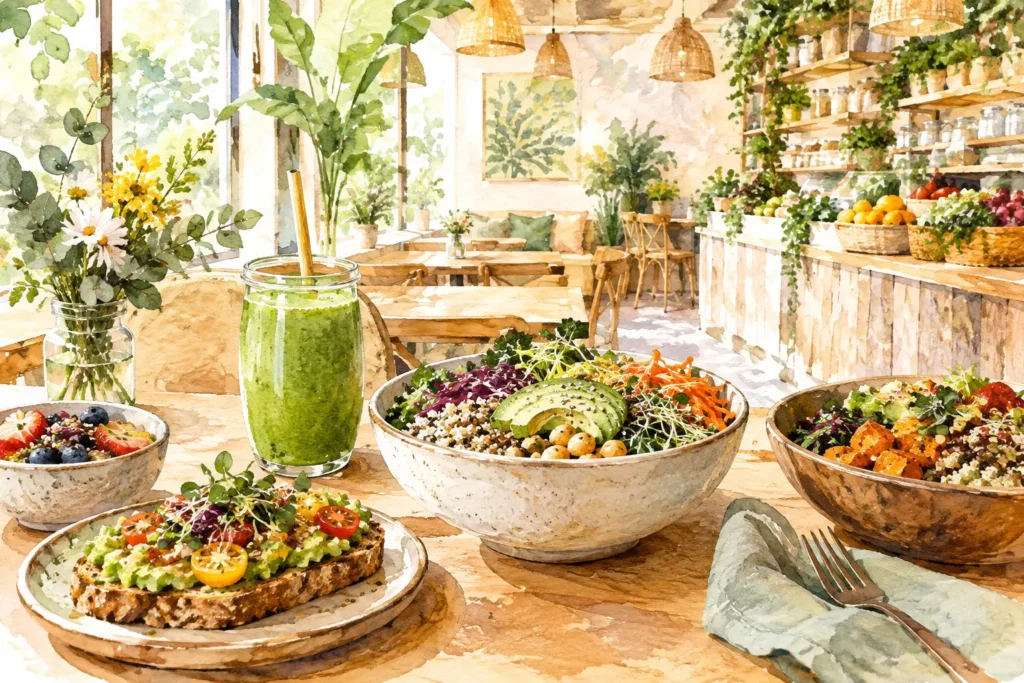
A good wholefood cafe does more than offer a green smoothie and a grain bowl. It gives people a place to eat well without having to compromise on comfort, flavour or the simple pleasure of sharing a meal. Whether you are meeting friends for brunch, grabbing lunch between appointments or bringing the family out for dinner, nourishing food should still feel generous.
For many people, wholefood eating is not about following a perfect set of rules. It is about choosing meals made with recognisable ingredients, plenty of plants and thoughtful preparation. The best cafés make that choice easy, welcoming committed vegans, vegetarians, flexitarians and anyone who simply wants a satisfying meal.
Wholefood food is generally food that is close to its natural form and minimally processed. Think vegetables, fruit, legumes, whole grains, nuts, seeds, herbs and quality plant-based proteins. In a café setting, that can mean a colourful breakfast bowl, a warming curry, a substantial burger, a freshly made juice or a slice of raw dessert.
That said, wholefood dining does not need to be rigid. A meal can be health-conscious and still include crisp fries alongside a burger, a creamy plant-based sauce or a comforting dosa fresh from the kitchen. Balance matters more than perfection. A café that treats every diner as though they must order the lightest thing on the menu can make conscious eating feel restrictive rather than enjoyable.
A well-considered menu gives diners options for different appetites and occasions. Some days call for a fresh salad or smoothie; other days call for a hearty curry, a burger with all the trimmings or a shared lunch after a long week. Plant-based food has room for both nourishment and comfort.
Local produce, organic ingredients where possible and fair-trade drinks are meaningful choices, but they work best when matched with care in the kitchen. Fresh vegetables need good seasoning. Whole grains need texture and flavour. Plant-based cheeses and milks need to complement a dish rather than appear as an afterthought.
This is where a wholefood café can show its character. A menu inspired by different food traditions brings variety to everyday dining. Indian-style curries, dosa, wholesome bowls, café brunches and familiar favourites can sit together naturally when they are prepared with attention. The goal is not to make every dish taste worthy. It is to make it taste good.
Natural sweeteners and less heavily processed ingredients can also be part of the offering, particularly for diners looking for a gentler alternative to conventional café food. But labels alone do not tell the full story. A wholesome meal should be filling enough to carry you through the afternoon, and a treat should feel like a treat. Honest portions, clear ingredients and flavours people want to return for matter most.
Café culture is often built around the cup in your hands. House-roasted organic fair-trade coffee, quality tea, kombucha, ginger beer, cold-pressed juices and smoothies all create different reasons to visit. Someone may come in for a long lunch, while someone else only has time for a coffee and a slice before work.
For plant-based diners, it also helps when non-dairy milk is treated as a standard choice rather than an inconvenience. The same goes for smoothies: they can be genuinely nourishing without becoming a confusing list of powders and promises. Fruit, greens, seeds, plant milks and other whole ingredients often speak for themselves.
A broad menu is valuable, but clear dietary information is what makes people feel comfortable ordering. For a person avoiding gluten, onion or garlic, eating out can involve a lot of questions and uncertainty. For someone managing an allergy, it may determine whether a café feels safe enough to visit at all.
A thoughtful wholefood cafe makes these needs visible and normal. Gluten-free choices, raw-food options and meals without onion or garlic should not be hidden away as special requests. When staff understand the menu and the kitchen can explain what is possible, diners can relax and enjoy the experience.
There are limits, of course. Shared kitchens and changing daily specials mean that no café should make promises it cannot keep. Clear communication is more helpful than vague reassurance. If cross-contact is a concern, or an ingredient has changed, diners deserve to know. Care is not about claiming to suit everybody perfectly; it is about taking each person seriously.
Not every member of a group will be looking for the same thing. One person may want a keto bowl, another may be keen on a curry, and children may be happiest with a familiar meal. This is why variety matters. It allows families, colleagues and friends with different preferences to sit at one table without anyone feeling like the difficult order.
Inclusive menus also help introduce plant-based food to newcomers. A person who would not usually choose a vegan café may happily start with a burger, fries and a good coffee. That first meal does not need to prove a point. If it is flavourful, satisfying and served warmly, it can broaden someone’s idea of what plant-based dining can be.
Food is personal, but cafés are shared spaces. A welcoming room gives people somewhere to meet after appointments, pause during a busy city day, celebrate a birthday or catch up over brunch. For regulars, the familiar faces and dependable menu can matter as much as the meal itself.
This sense of belonging should extend to both committed members of a conscious-living community and those who are simply curious. Free membership programmes, birthday treats and helpful staff can build connection without creating an insiders-only atmosphere. People should feel welcome whether they have followed a plant-based diet for years or are ordering their first oat-milk flat white.
In Christchurch, a long-standing café also becomes part of the city’s everyday rhythm. It can be a dependable choice for locals who care about how their food is sourced, as well as visitors looking for a meal that caters thoughtfully to a range of needs. Consistency matters here. Diners return when they know they can find good food, friendly service and clear choices.
There is no single best order at a wholefood café. It depends on your appetite, your dietary needs and the kind of day you are having. A smoothie may suit a quick morning stop, while a warm bowl or curry is more appealing on a cool afternoon. If you are dining with others, a menu with both lighter and more substantial options makes the decision easier.
It can be useful to look beyond the name of a dish and consider what will leave you satisfied. A bowl with legumes, grains, vegetables and a good dressing may offer more staying power than a juice alone. A burger can be a balanced choice when it comes with a nourishing patty and fresh fillings. And sometimes the right choice is simply the meal you are genuinely looking forward to.
The Lotus-Heart is built around that kind of generous choice: plant-based food that respects individual needs while leaving room for comfort, flavour and connection. The most worthwhile café meal is often the one that lets you leave feeling cared for, well-fed and ready to come back with someone else.