

A weekend dinner should feel like a welcome pause, not another decision to make at the end of a full week. Ordering weekend plant based dinner is easier when the food is built around proper comfort, clear dietary choices and ingredients you can feel good about. Whether you are catching up with friends, bringing the family out, or simply giving yourself a night away from the stove, plant-based food can be generous, familiar and genuinely satisfying.
For Christchurch diners, Friday and Saturday are a lovely chance to settle in over a meal that has a little more time and care behind it. The best choice is not always the lightest dish on the menu or the most elaborate one. It is the meal that suits your appetite, your company and the way you want to feel afterwards.
A satisfying dinner has balance. You may be looking for a warming curry with fragrant spices, a crisp burger with proper fries, or a nourishing bowl that leaves room for a smoothie or a treat later. Plant-based eating does not need to mean choosing between comfort and nutrition. A thoughtfully planned menu can offer both.
Start with the kind of evening you are having. If it is a cool night and you want something cosy, a curry or dosa can bring warmth and depth without feeling heavy. If the table includes people with different tastes, burgers and fries offer an easy, familiar option, while bowls give those after a lighter meal plenty of colour, texture and substance.
The ingredients matter too. Fresh local produce, organic ingredients where possible, natural sweeteners and plant-based cheeses or milks all help create food that feels considered rather than compromised. These details are especially welcome when dining out is part of how you care for your health as well as your appetite.
One of the great pleasures of dining together is that everyone can order with confidence. That becomes harder when a menu treats dietary requirements as an afterthought. For vegan, vegetarian, gluten-free and allergy-conscious diners, clarity matters as much as flavour.
If you avoid gluten, ask what is suitable on the evening menu and whether preparation is appropriate for your needs. Those following a lower-carbohydrate way of eating may find a keto bowl a more natural fit than trying to alter a dish that was not designed for it. Raw-food options can also be a refreshing choice, particularly on a warmer Canterbury evening.
For guests who do not eat onion or garlic, it is worth choosing a venue that understands this requirement from the outset. It is a common source of uncertainty when eating out, yet it should not prevent anyone from enjoying a shared dinner. A dedicated onion- and garlic-free menu means there is less guesswork at the table and more room to relax.
If you are organising for a group, mention dietary needs when making your booking or enquiry. This is not about making a fuss. It gives the kitchen and front-of-house team the opportunity to guide everyone towards suitable options and helps avoid last-minute disappointment.
There is still an outdated idea that plant-based dining is only salads, side dishes and foods that need explaining. A good weekend menu puts that idea to rest. A burger should be hearty, a curry should be full of flavour, and a bowl should have enough protein, grains, legumes, vegetables and satisfying fats to carry you through the evening.
That does not mean every choice needs to be rich. Some nights call for something fresh and energising, especially after a busy day. Other nights, fries shared around the table are exactly right. Conscious eating is not a set of rules. It is being present enough to choose food that works for you, while respecting animals, people and the planet.
Weekend dinner services are often offered on selected evenings rather than every night. Before making plans, check the current Friday and Saturday dinner availability, along with kitchen closing times. This is particularly helpful if you are meeting after work, travelling in from outside the city, or hoping to arrive later in the evening.
Booking ahead is a thoughtful choice for a group, a family celebration or a catch-up that has been on the calendar for weeks. It can also make a spontaneous date night feel less rushed. If you are hoping to order food to take away rather than dine in, confirm what is available for that service before leaving home. Dinner offerings and collection arrangements can vary.
A little planning also helps you enjoy the full experience. Arrive with time for a drink before your meal, rather than squeezing dinner into the final minutes of service. House-roasted organic fair-trade coffee may be the right finish for one person, while kombucha, ginger beer, a juice or a calming tea may suit another.
Plant-based dining is at its best when no one feels they need a separate plan. A mixed group might include a committed vegan, a curious omnivore, someone avoiding gluten and children who simply want a tasty meal they recognise. The answer is variety, not pressure.
Choose somewhere with enough range that each person can follow their own appetite. A diner who wants a bright, vegetable-led bowl should not have to settle for a token side, and the person craving a substantial burger should not feel they are missing out. Global comfort food is useful here because it welcomes different palates without losing its sense of nourishment.
For families, familiar dishes can make trying a plant-based dinner feel easy. Children often respond well when food is flavourful, approachable and not presented as a challenge. Sharing a relaxed meal is usually more persuasive than a lecture about what anyone should eat.
The same is true when inviting a friend who is new to vegan food. Let the meal speak for itself. Good ingredients, generous portions and friendly service have a quiet way of changing minds.
Weekend dinners often become occasions because of small decisions. You might begin with a fresh juice if you want something bright, or choose kombucha for a lightly sparkling accompaniment. A smoothie can be more filling than expected, so it may suit a lighter dinner better than a meal already rich in grains or fries.
Consider the pace of the meal as well. A quick dinner before an event calls for a straightforward favourite. A long catch-up benefits from courses, shared conversation and the freedom to linger over tea. If your group has several requirements, ordering dishes that are naturally suited to those needs is usually simpler than requesting many changes.
At The Lotus-Heart, the aim is to welcome both members and guests to the table with food that is ethical, nourishing and enjoyable. Free membership is one way the community stays connected, but the heart of the experience is uncomplicated: good plant-based food, made with care, for people with different lives and different needs.
A weekend meal does not have to be perfect to be meaningful. Choose a dinner that gives everyone at the table something to look forward to, then make room for the conversation that follows.

A good vegetarian meal should not feel like the compromise on the table. It should arrive colourful, satisfying and full of familiar comfort: a crisp burger with fries, a fragrant curry, a generous brunch or a warming bowl that carries you through a busy afternoon. For many people, vegetarian food is not about giving something up. It is about choosing meals that are thoughtful, flavourful and kind to both people and planet.
Whether you eat plant-based every day, are reducing meat a few meals at a time, or are simply looking for a café where everyone in your group can order with confidence, the most enjoyable vegetarian eating starts with variety. There is room for fresh salads and raw treats, but also for dosa, house-made sauces, hearty grains, satisfying proteins and a well-made coffee.
The difference between a meal that leaves you energised and one that has you hunting through the pantry an hour later often comes down to balance. Vegetables bring colour, texture and a wide range of nutrients, but they work best alongside a source of protein, satisfying fats and carbohydrates that suit the occasion.
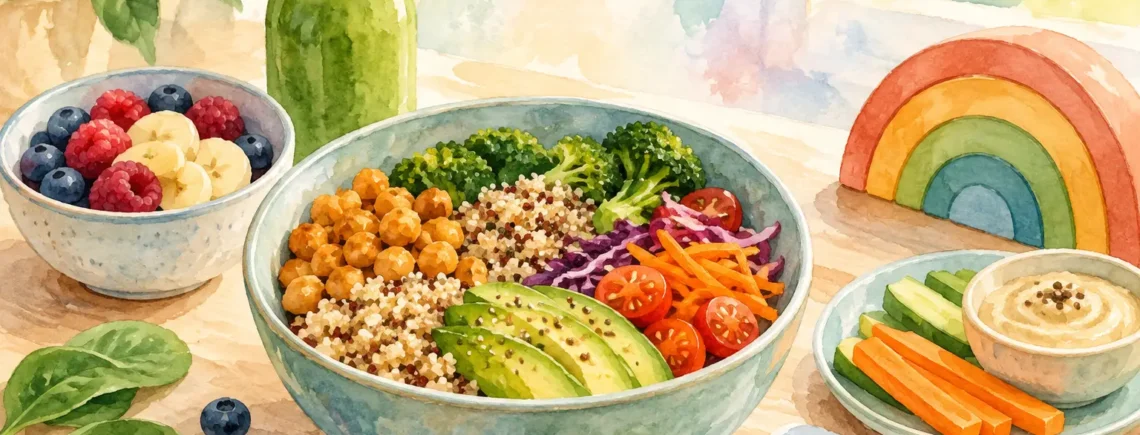
A nourishing lunch bowl, for example, may pair roasted vegetables with legumes, tofu or tempeh, whole grains, greens, seeds and a bright dressing. At breakfast, avocado, mushrooms, beans and plant-based yoghurt can turn toast or a brunch plate into something more substantial. Dinner might call for a lentil curry with rice, a vegetable-filled dosa or a burger that is built to be enjoyed, not merely tolerated.
There is no single formula that suits every diner. Someone heading out for a long walk may want a more generous serve of grains and legumes, while another person may prefer a lower-carbohydrate option such as a keto bowl. Children often appreciate recognisable flavours and textures, while adventurous eaters may be drawn to a daily special. A good vegetarian menu gives people choices without making them feel they have to explain themselves.
Plant-based protein can come from beans, lentils, chickpeas, tofu, tempeh, nuts, seeds and whole grains. Including these ingredients across the day helps make vegetarian meals more sustaining, particularly when meals are built around vegetables alone.
That said, food is more than a nutrient checklist. A creamy plant-based cheese, a spicy chutney, crunchy slaw or a properly seasoned patty can be what makes a dish memorable. The aim is not to make every meal clinical. It is to make everyday food feel complete and genuinely enjoyable.
Eating out is often a shared occasion. One person may be vegan, another gluten-free, another keen on a burger and another looking for a fresh juice after work. When a menu has been designed with care, nobody needs to settle for a token side dish while everyone else orders the main event.
This is where range matters. A café can offer a wholefood bowl for the diner seeking something light and nourishing, alongside curries, burgers, fries and comforting brunch plates for those wanting a more familiar meal. Smoothies, kombucha, ginger beer, loose-leaf tea and organic fair-trade coffee add to the experience, especially when a group is gathering at different times of day.
At The Lotus-Heart, this breadth is part of the welcome: plant-based dining that makes room for a quick coffee, a family lunch, a relaxed meal with friends or a Friday or Saturday dinner out. It is a practical reminder that conscious eating can belong in everyday life, not only on special occasions.
For many diners, dietary choices are closely tied to wellbeing, culture, faith or allergies. Clear menu information and knowledgeable staff can make a significant difference, particularly for people avoiding gluten, onion or garlic, or following a fully vegan diet.
It is worth remembering that a dish without gluten-containing ingredients is not automatically suitable for everyone with coeliac disease, because kitchen processes and cross-contact matter. The same applies to other allergens. If a requirement is medically necessary, let the team know when ordering and ask how the dish is prepared. A thoughtful café will welcome the conversation rather than treat it as an inconvenience.
Onion- and garlic-free eating can be particularly difficult when dining out, as both ingredients are common in sauces, stocks and curries. A dedicated menu creates more freedom for diners who avoid them, while still allowing flavour to come through herbs, spices, ginger, citrus, asafoetida where suitable, toasted seeds and carefully prepared vegetables.
Vegetarian food can be a meaningful way to support more considered food systems, but the details still count. Seasonal produce often tastes better and travels fewer kilometres. Locally grown ingredients can keep a café connected to its region. Organic sourcing, where possible, supports a different approach to growing food, while fair-trade coffee and tea recognise the people behind everyday rituals.
None of these choices needs to be presented as perfection. New Zealand produces some ingredients locally and relies on others from further afield, especially outside their growing season. Sometimes the most practical option will not tick every ethical box. What matters is a genuine effort to choose well, be transparent and keep improving.
Natural sweeteners and plant-based milks are also useful options for diners who want them, but they are not a shortcut to making every food a health food. A slice of cake can simply be a treat. A smoothie can be a convenient way to enjoy fruit and greens. The value of a vegetarian menu is that it can make room for both nourishing everyday choices and the pleasure of sharing something delicious.
You do not need to change every meal at once to enjoy the benefits of eating more plant-based food. Start with the meals you already like. If pasta night is a household favourite, try a lentil and tomato sauce or vegetables folded through a creamy cashew-based sauce. If you enjoy a weekend breakfast, add beans, mushrooms, spinach and avocado to the plate. If curry is already in rotation, make chickpeas, lentils or tofu the centrepiece.
Keeping a few versatile ingredients on hand makes this easier: canned beans, lentils, rice, noodles, oats, nuts, seeds, frozen vegetables, spices and a few fresh staples. The goal is not an Instagram-perfect fridge. It is having enough on hand to make a filling meal when time is short.
Flavour-building is especially helpful for new vegetarian cooks. Begin with a base of aromatics or spices that suit your needs, then add acidity from lemon, lime, vinegar or tamarind; richness from coconut milk, tahini, avocado or nuts; and texture from toasted seeds, fresh herbs or crisp vegetables. A simple bowl becomes far more appealing when it has contrast.
Vegetarian eating is sometimes framed as an all-or-nothing identity. In real life, it can be much more flexible. For some, it is a lifelong commitment rooted in care for animals. For others, it is a way to explore more vegetables, manage particular dietary preferences or choose a lighter lunch during the week. Each reason is valid, and a welcoming table has space for all of them.
The best meals are often the ones that make people linger: food with enough substance to satisfy, enough flavour to return for, and enough thought behind it that every diner feels considered. Choose the bowl, burger, curry or coffee that suits your day, and let vegetarian food be something generous you can share.
A child’s lunch can be vegan and still look wonderfully familiar: a warm lentil curry with rice, a veggie burger and oven chips, creamy pasta with a plant-based sauce, or a colourful smoothie alongside toast. So, can children eat vegan meals? Yes – when meals are varied, satisfying and thoughtfully planned for a growing child’s nutritional needs.
For many families, plant-based eating is part of a wider commitment to kindness, health and caring for the planet. It does not need to make mealtimes tense or overly complicated. The key is to think beyond simply removing animal products and instead build meals around nourishing plant foods that provide enough energy, protein, iron, healthy fats and essential vitamins.
Children can thrive on a well-planned vegan diet, but their needs are different from an adult’s. They are growing quickly, often have smaller appetites, and may be selective about textures, colours or unfamiliar flavours. A large salad that feels filling to an adult, for example, is rarely enough for an active school-aged child.
The aim is not perfection at every meal. It is the overall pattern across the day and week that matters. Offer regular meals and snacks, include a source of protein and energy at each eating occasion, and avoid assuming that foods labelled vegan are automatically nourishing. A packet of biscuits may be vegan, but it cannot do the job of beans, wholegrains, fruit, vegetables, nuts, seeds and fortified foods.
For babies, toddlers, children with medical conditions, restricted eating, poor growth or ongoing digestive concerns, speak with a GP, child health nurse or accredited practising dietitian. Individual advice is especially helpful when several foods are being avoided because of allergies or sensory preferences.
A practical family plate includes a substantial carbohydrate, a protein-rich food, vegetables or fruit, and a source of healthy fat. This combination helps meals feel filling and supports steady energy for kindy, school, sport and everyday play.
Wholegrains such as oats, wholemeal bread, rice, pasta, couscous and noodles provide useful energy. Potatoes and kumara are nourishing staples too. Protein can come from lentils, chickpeas, beans, tofu, tempeh, soy yoghurt, nut butters and seeds. For children who are new to these foods, start with familiar formats: hummus in a sandwich, mild dhal with rice, tofu blended into a creamy sauce, or black beans folded into tacos.
Healthy fats matter because young children need plenty of energy in relatively small portions. Add avocado, tahini, nut butter, ground seeds, olive oil, coconut cream or a handful of nuts where age-appropriate. Whole nuts can be a choking risk for young children, so use smooth nut butter or finely ground nuts instead.
A few dependable meal ideas can make the week easier:
These meals do not need to be presented as special “vegan food”. They are simply hearty, familiar meals made from plants.
A varied menu is a strong foundation, but a few nutrients need deliberate planning on a vegan diet. Vitamin B12 is the clearest example. It is not reliably available from unfortified plant foods, so children eating fully vegan need a dependable B12 supplement or appropriately fortified foods, with professional guidance on the right approach.
Iron is another priority, particularly for toddlers, teenagers and children who tire easily or eat very little. Beans, lentils, tofu, fortified cereals, oats, pumpkin seeds and leafy greens all contribute iron. Pairing them with vitamin C helps the body absorb more – think kiwifruit with breakfast cereal, capsicum in a bean wrap, or oranges and berries with a meal.
Calcium supports growing bones and teeth. Fortified plant milks and yoghurts can be useful, especially soy versions that also provide protein. Check the label rather than assuming all plant milks are nutritionally similar. Rice, almond and coconut drinks may be lower in protein and are not always fortified.
Iodine, vitamin D and omega-3 fats also deserve consideration. Iodised salt used in normal home cooking can help with iodine, while sunlight exposure, season and individual circumstances affect vitamin D. Ground linseed, chia seeds, hemp seeds and walnuts offer plant omega-3 fats. Some families may choose an algae-based omega-3 supplement after discussing their child’s needs with a health professional.
Children often eat unpredictably. One day they may ask for second helpings of dhal; the next they may only want plain rice and cucumber. This is normal. Keep offering a range of foods without pressure, and let children decide how much to eat from what is provided.
It can help to serve one familiar food alongside something newer. If your child loves chips, offer them with a bean burger and crunchy vegetable sticks. If they prefer plain pasta, place a small spoonful of lentil sauce alongside rather than mixing it through. Repeated, low-pressure exposure is more likely to build confidence than bargaining or insisting on a clean plate.
Sweet foods can still have a place. A banana muffin, date-sweetened slice or dairy-free ice cream can be part of family life, just as they can in any eating pattern. Everyday nourishment comes from the foods offered most often, not from making every occasion perfectly virtuous.
Eating out should feel enjoyable, not like a negotiation. Look for places that can clearly explain ingredients, offer satisfying plant-based mains rather than only side dishes, and accommodate allergies separately from preference-based changes. If a child avoids gluten, nuts, onion or garlic as well as animal products, it is wise to ask staff about preparation and possible cross-contact.
In Christchurch, a café meal can be a useful chance for children to explore plant-based food in a relaxed setting. Familiar choices such as burgers, fries, dosa, mild curries, rice bowls and smoothies tend to work well, especially when children can choose between a couple of options. At The Lotus-Heart, families can find plant-based comfort food alongside wholefood-focused choices, with a range of dietary needs considered carefully.
Portion size matters when dining out. Sharing a meal, adding a side of rice or fries, or taking leftovers home can be more practical than expecting a child to finish an adult-sized dish. For a longer outing, packing a simple snack such as fruit, crackers, roasted chickpeas or a nut-free seed bar can prevent hunger from becoming the deciding factor.
A vegan diet is not a good fit if it is causing stress, conflict or inadequate eating. If a child is losing weight, not growing as expected, feeling unusually tired, frequently unwell, or becoming increasingly restrictive around food, seek professional support promptly. This is not a failure of your family’s values. It is a sensible response to a child who may need a more individual plan.
The same applies when a family is combining vegan eating with multiple food allergies, coeliac disease, feeding difficulties or a very limited range of accepted foods. There may still be plenty of plant-based options, but expert advice can make sure nutritional gaps are not quietly developing.
A thoughtful vegan meal gives a child more than something to eat. It offers energy to learn and play, familiar flavours around the family table, and a gentle everyday example of conscious eating. Start with meals your child already enjoys, add nourishment rather than focusing on restriction, and let curiosity grow one tasty bite at a time.

A good oat coffee order starts before you reach the counter. Do you want the familiar comfort of a creamy flat white, a stronger long black with a little softness, or an iced coffee for a warm Christchurch afternoon? Knowing how to order oat coffee means choosing a drink you genuinely enjoy, then making the milk request clear enough for the barista to prepare it well.
Oat milk has become a favourite for good reason. It can bring gentle sweetness, body and a smooth texture to espresso, without dairy. Yet not every oat milk steams the same way, and not every coffee style suits every preference. A little clarity helps you receive the coffee you had in mind, while helping café staff care for your dietary needs properly.
There is no need to learn a new coffee language simply because you are choosing oat milk. Start with your usual order and substitute the milk. If you normally drink a flat white, ask for a flat white with oat milk. If a latte is your go-to, order a latte with oat milk. This is the easiest and most natural way to order.
A flat white generally has a stronger coffee-to-milk balance and a velvety layer of microfoam. It suits people who want to taste the espresso clearly while still enjoying a creamy cup. A latte has more milk and is often a gentler choice if you prefer a milder, more soothing coffee. A cappuccino is typically foamier, while a mocha adds chocolate for a sweeter treat.
For less milk, try a piccolo, macchiato or long black with a dash of oat milk. These options let the character of the coffee remain at the forefront. The right choice depends on whether you are looking for a morning ritual, a drink to enjoy with brunch, or a small pick-me-up between errands.
The simplest wording is often best: “Could I please have a small oat flat white?” If you have a particular preference, add it in the same sentence. For example, you might say, “Could I have a medium oat latte, extra hot, please?” or “May I have an iced long black with a dash of oat milk?”
Let the barista know early if your request is about more than taste. If you need decaf, specify it when you order: “A decaf oat cappuccino, please.” If you would like one shot rather than two, or an extra shot for a fuller coffee flavour, say so before the drink is made. These details are routine requests, and a clear order avoids waste or having to remake your coffee.
If you would prefer no sweetener, you usually do not need to mention it unless you are ordering a flavoured drink. Most espresso-based coffees are served without added sugar. If you enjoy sweetness, ask what is available and whether it is added to the cup or served on the side. This gives you more control over the final taste.
Here are some everyday ways to place an oat coffee order:
You do not need to over-explain a straightforward order. But it is always welcome to ask if you are unsure about cup sizes, espresso shots or how a café prepares a particular drink.
Oat milk can vary quite a lot between brands. Barista-style oat milk is made to heat and foam more reliably, so it is often the best option for lattes, flat whites and cappuccinos. It tends to be creamier and may complement espresso more closely than thinner oat milks.
Some oat milks contain added oils, salt or sugar to create a rounder texture. That is not necessarily a concern, but it can matter if you are watching particular ingredients or simply prefer a less sweet drink. Ask your café which oat milk they use if ingredient details are important to you. Staff may be able to show you the packaging or advise on what is in the milk, depending on service times and availability.
Taste is personal, too. Oat milk often has a naturally cereal-like sweetness that can make a dark roast seem softer and more caramel-like. If you love a bright, acidic espresso, you may prefer a long black with only a dash of oat milk. If you want a more comforting, rounded drink, an oat latte may be just right.
Plant-based does not automatically mean suitable for every diet. Oats themselves are naturally gluten-free, but oats can come into contact with gluten-containing grains during growing or processing. Some people with coeliac disease or a high sensitivity to gluten need certified gluten-free oats, rather than assuming any oat milk will be safe.
If this applies to you, tell the person taking your order. Ask whether the oat milk is certified gluten-free and whether there is a risk of cross-contact from shared equipment. A café may use separate jugs for different milks, but practices differ, especially during a busy breakfast rush. Honest questions make it easier for staff to give you an accurate answer.
It is also useful to distinguish between an allergy, coeliac requirements and a preference. Saying “I have a severe allergy” signals that extra care is needed. Saying “I prefer oat milk” lets the team know that ordinary preparation is fine. Both are valid, but they call for different steps behind the counter.
Coffee is at its best when it is made for the way you plan to drink it. If you are sitting down and enjoying it straight away, regular temperature will usually show off the espresso and oat milk nicely. If you are taking it on a walk or driving across town, asking for it a little hotter may suit you, though very high heat can change the sweetness and texture of oat milk.
You can also request less foam or extra foam, particularly with a cappuccino or latte. A flat white is usually designed to be smooth rather than very frothy, so asking for a well-textured oat flat white is often enough. For cold drinks, be aware that ice naturally dilutes the coffee as it melts. An extra shot can give an iced oat latte more presence, especially if you like a stronger flavour.
Bringing a clean reusable cup is a thoughtful option when the café accepts them. Let staff know the size of your cup before they begin, as it helps them make the right volume of coffee and milk.
Choosing oat milk can reflect vegan values, a dairy intolerance, environmental considerations or simple taste. It does not need to be a complicated decision. The most satisfying order is one that fits your appetite, your dietary needs and the moment you are in.
At The Lotus-Heart, plant-based dining is about offering generous choices without making anyone feel like an exception. The same spirit applies to coffee: ask for what you need, be open about any dietary requirements, and let yourself enjoy a well-made cup alongside a nourishing meal or a quiet catch-up. Your usual order is a perfectly good place to begin.

A chilled glass of kombucha can be the small reset a busy day needs: tangy, lightly sparkling and pleasantly refreshing beside lunch or after a walk through the city. If you are searching for “where to find kombucha Christchurch”, there are more choices than simply picking up the first bottle in a fridge. The best place depends on whether you value a freshly poured brew, organic ingredients, a particular flavour, a low-sugar option or a bottle to take home.
Christchurch has a strong community of health-conscious cafés, independent grocers and wholefood retailers, so it is possible to make kombucha part of an everyday routine without treating it as a niche product. A little know-how will help you choose a drink that suits both your taste and your values.
For a kombucha to enjoy with a meal, start with cafés and restaurants that make considered drinks part of their offering. Plant-based and wholefood-focused venues are often a good fit, especially if you are already looking for a nourishing breakfast, lunch, smoothie or fresh juice. Kombucha’s gentle acidity can cut through a rich curry, complement a colourful bowl, or provide an alcohol-free alternative when you are meeting friends for dinner.
Ask whether the kombucha is served on tap or bottled. Tap kombucha can feel especially fresh and is often available in larger pours, while bottled varieties make it easier to check the ingredient list, sugar content and flavour before you order. Neither is automatically better. It comes down to what the venue stocks and what you enjoy drinking.
At The Lotus-Heart, kombucha is one of the refreshing drink choices alongside juices, smoothies, tea, ginger beer and house-roasted organic fair-trade coffee. It is an easy match for the café’s plant-based comfort food, from a satisfying burger and fries to curries, dosa and nourishing bowls. Diners with gluten-free, raw-food, onion-free or garlic-free needs can also speak with the team about choosing a meal that feels right for them.
Health food stores and wholefood grocers are useful when you would like to keep kombucha in the fridge at home, pack one for work or try several brands over time. These shops commonly carry a broader range than a standard supermarket, including organic options, seasonal flavours and drinks made with ingredients such as ginger, berries, citrus, hibiscus or green tea.
Take a moment to read the label rather than relying on the word “kombucha” alone. Some products are more tart and traditionally fermented; others are sweeter, fruit-forward sparkling drinks with kombucha added. There is room for both, but the experience is quite different. If you enjoy a sharp, dry finish, look for shorter ingredient lists and less added sweetness. If you are new to kombucha, a fruity flavour may be a gentler place to begin.
A good retailer will also store bottles properly in a cold fridge. Kombucha is a living fermented drink in many cases, and temperature can affect its flavour and fizz. Check the best-before date and avoid bottles that look over-pressurised or have been sitting warm in direct sunlight.
Major supermarkets and local grocers are increasingly reliable for familiar kombucha brands. They are a practical choice when you need a quick drink for a picnic, a work lunch or the weekly shop. Selection can vary from one suburb to another, so a larger supermarket may have more flavours and multipack options than a small local store.
The trade-off is that supermarket shelves do not always provide much context about how a kombucha was made. If sourcing, fermentation style or organic certification matters to you, use the label as your guide. Look for a clear list of ingredients, the amount of sugar per serve, and whether the drink needs refrigeration. This can also help if you are buying for children or someone who prefers a milder flavour.
For people trying to reduce single-use packaging, refill stores and selected independent retailers can be worth seeking out. Some offer kombucha from a tap or allow you to fill a reusable bottle, though availability changes with suppliers and seasons. Calling ahead can save a trip, particularly if you are after a specific flavour or need to know whether you can bring your own clean bottle.
A refill option is not only about waste reduction. It can also let you buy the amount you actually want, whether that is a small bottle to sample a flavour or enough for a shared lunch at home. Keep in mind that freshly dispensed kombucha may have a shorter recommended storage period than a sealed commercial bottle. Ask staff how soon to drink it and whether it should be kept refrigerated.
Christchurch farmers’ markets can be a rewarding place to meet local food makers, and kombucha sometimes appears among the stalls. This is where you may find small-batch brews, unusual botanicals and the chance to ask direct questions about ingredients and fermentation. Availability is less predictable than at a shop, but that is part of the appeal.
If you find a producer you enjoy, ask where else their kombucha is stocked during the week. Many local makers supply a handful of cafés and specialty stores, which can make it easier to buy again without waiting for the next market day. Seasonal flavours are also common, so it is worth staying open to trying something new rather than expecting the same range year-round.
Kombucha is often chosen as a refreshing alternative to soft drink or alcohol, but it is still wise to choose thoughtfully. Fermented drinks can vary considerably in sweetness, acidity and trace alcohol content. People who are pregnant, avoiding alcohol completely, managing a health condition or selecting drinks for children may prefer to check the label carefully and seek individual health advice where needed.
For everyday enjoyment, start with flavour. Ginger offers warming spice and tends to work well with savoury food. Citrus flavours are bright and clean, particularly alongside lunch. Berry and tropical blends are often softer and sweeter, while herbal varieties can be more delicate and tea-forward. If you find one kombucha too sour, it does not mean the whole category is not for you. Another brand or flavour may be entirely different.
Sugar is another useful point of comparison, although lower is not always automatically better if the drink tastes so sharp that you do not enjoy it. Choose something you genuinely look forward to drinking, and treat it as part of a balanced day of meals and drinks. A chilled glass of water remains a good companion too.
Kombucha is at its best when it feels like a genuine part of the occasion rather than an afterthought. Choose a café where the food is satisfying, dietary requests are handled with care and you can settle in with the people you came to see. Whether you find your favourite bottle at a local health store, enjoy a fresh pour with lunch, or bring a reusable bottle to a refill shop, the right kombucha is the one that fits comfortably into your day and leaves you feeling well cared for.

Choosing your milk is part of making a drink your own. At The Lotus-Heart in Christchurch, we offer five plant-based options: oat, almond, pea, coconut and cashew milk. Our cashew milk is made here in our own kitchen.
Our house-made cashew milk
Cashew milk has a special place in our kitchen because we make it ourselves. It is one of the small, thoughtful touches that make a visit to The Lotus-Heart our own.
If you usually choose oat or almond milk and would like to try something different, ask us about our house-made cashew milk when you next visit.
Five plant-based choices
Our plant-based milk selection gives you several options for your next drink:
Everyone has their own preferences, and different milks can change the character of a drink. If you are unsure which to choose, ask our team about the options for the drink you are ordering.
Our approach to soy
We choose not to serve soy milk, reflecting our longstanding preferences around ingredients and sourcing. The soy products we use include organic tofu, organic tempeh and organic tamari.
For drinks, we offer oat, almond, pea, coconut and our own house-made cashew milk.
What about dairy milk?
For those who prefer dairy, our milk offering is A2. Simply let us know your preference when ordering.
Choosing for dietary requirements
If you have a food allergy or a specific dietary requirement, please discuss it with our team before ordering. The name of a plant milk alone does not tell you everything about its ingredients or how a drink is prepared.
Visit us in Christchurch
Find The Lotus-Heart at 363 St Asaph Street, Christchurch. Whether you already have a favourite milk or would like to try our house-made cashew milk, we look forward to welcoming you.

A packet of plain oats, a tin of chickpeas and a bag of frozen spinach can do more for an ordinary weekday than an ambitious meal plan ever will. If you are wondering how to eat more wholefoods, begin there: with food that is recognisable, satisfying and realistic for the way you actually live.
Wholefood eating does not require a perfect pantry, expensive powders or giving up every convenience food. It is simply about choosing foods that are close to their natural form more often – vegetables, fruit, legumes, whole grains, nuts, seeds and minimally processed plant foods. There is room for toast, takeaway and a favourite treat too. The aim is to build nourishing meals with kindness, not turn eating into another task to get right.
A wholefood is generally a food that has been minimally refined and still retains much of its natural goodness. An apple, kūmara, brown rice, lentils and walnuts are clear examples. So are practical kitchen staples such as tinned tomatoes, tinned beans with no added sugar, frozen berries, tofu and unsweetened plant milks.
The label matters less than the overall pattern. Bread, pasta and plant-based yoghurt may be processed, but they can still have a place in a balanced diet, especially when they make a meal easier to prepare. A meal of wholegrain toast, hummus and tomato is a more useful lunch than skipping lunch because preparing a grain bowl felt like too much effort.
For most people, the helpful question is not, “Is this perfectly whole?” It is, “What could I add here that is closer to a wholefood?” Add beans to a curry sauce, a handful of greens to noodles, or fruit alongside breakfast. Small additions quickly become familiar habits.
The simplest approach is to give each meal a gentle structure. Start with a plant food that provides substance, then add colour, flavour and something you enjoy. This could be porridge with banana, cinnamon and seeds for breakfast; a wrap filled with roasted vegetables and chickpeas for lunch; or a lentil dhal with brown rice and greens for dinner.
At breakfast, choose options that will carry you through a busy morning. Rolled oats, chia pudding, wholegrain toast, fruit, beans on toast or a smoothie made with fruit, leafy greens and a source of protein are all workable choices. If cereal is what your household enjoys, serve it with berries, sliced banana or nuts rather than feeling you need to replace it entirely.
Lunch is often where convenience takes over, particularly when work, study or family plans are full. Keep it uncomplicated. Leftover roast vegetables can become a salad with quinoa and tahini dressing. A tin of lentils can lift a soup or pasta sauce. Even a ready-made vegetable soup becomes more filling with a slice of wholegrain bread and a side of hummus.
For dinner, think in components rather than complicated recipes. A grain or starchy vegetable, a legume or other protein-rich plant food, several vegetables, and a flavourful sauce is enough. Try black beans with corn, avocado and rice; baked kūmara with chickpea filling; tofu and vegetable stir-fry; or a comforting vegetable curry with lentils. Global comfort food is often naturally suited to wholefood eating because beans, grains, vegetables, herbs and spices already do much of the work.
Good intentions tend to disappear when everyone is hungry. A little preparation helps, but it need not mean spending Sunday afternoon portioning every meal into containers. Choose one or two helpful tasks after your shop: wash fruit, cook a pot of brown rice, roast a tray of vegetables, or make a simple dressing.
Keep everyday staples where you can see them. Put fruit on the bench, nuts and seeds in clear jars, and quick-cook grains at the front of the cupboard. Store ready-to-eat chopped vegetables at eye level in the fridge. These quiet cues make the nourishing option more likely when time is short.
A useful pantry might include oats, wholegrain crackers, brown rice or quinoa, dried or tinned lentils and beans, tinned tomatoes, nut butter, herbs, spices, tahini and a few favourite sauces. In the freezer, vegetables, berries, edamame and wholemeal bread can make last-minute meals feel far less last-minute.
Buying unfamiliar ingredients because they sound healthy can lead to a crowded cupboard and unnecessary food waste. Before shopping, think of three or four meals your household genuinely likes. Write down what each one needs, then add a few flexible foods that can cross over between meals.
For example, a bag of spinach can go into smoothies, pasta, curries and wraps. Carrots work in soups, salads, roast trays and snack plates. Chickpeas can become hummus, add substance to a salad, or be simmered in a tomato-based curry. This approach is kind to both your budget and your schedule.
Fresh local produce is lovely when it is available, but frozen and tinned options deserve a place too. They are often affordable, keep well and reduce the pressure to use everything immediately. Choose lower-salt tinned products when possible, rinse beans if you prefer, and select fruit canned in juice rather than syrup.
Wholefoods are sometimes treated as worthy but dull. They do not need to be. Roasted vegetables become more inviting with olive oil, lemon and herbs. Lentils come alive with garlic, ginger, cumin or curry spices. For onion- and garlic-free eating, try asafoetida where suitable, fresh ginger, celery, spring onion greens if tolerated, citrus, toasted spices and fragrant herbs to build depth.
Texture matters as much as flavour. Pair creamy hummus with crisp vegetables, add toasted seeds to a warm bowl, or serve a hearty stew with crunchy cabbage slaw. A squeeze of lemon, a spoonful of chutney, good chilli sauce or a tahini dressing can make simple ingredients feel like a proper meal.
Natural sweeteners can also be used thoughtfully. Dates, ripe banana and a little maple syrup may bring balance to baking or breakfast, but they are still sweet ingredients. The pleasure is in using them for flavour, rather than expecting every wholefood choice to be a health project.
There will be evenings when cooking from scratch is not the best choice. A plant-based burger, prepared curry, frozen meal or café lunch can be exactly what makes the day manageable. Eating more wholefoods is not about refusing these foods. It is about finding an overall rhythm that supports you.
When choosing a convenient option, look for an easy way to add plants. Order a side salad, choose a vegetable-rich curry, add avocado or greens to a sandwich, or keep fruit handy for later. If you are dining out with family or friends, a menu with nourishing bowls, curries, smoothies and familiar comfort food can make varied dietary needs easier to accommodate without anyone feeling singled out.
At The Lotus-Heart, we see this balance often: people want food that reflects their values and supports their wellbeing, while still tasting generous, familiar and satisfying. That is a sensible expectation, not too much to ask of a meal.
The best way of eating more wholefoods will differ between households. Someone feeding teenagers may rely on large pots of pasta, burritos and tray bakes. Someone with a sensitive digestive system may do better with cooked vegetables, well-rinsed legumes and gradual changes. Gluten-free eaters might choose rice, buckwheat, quinoa, corn and kūmara; those following lower-carbohydrate patterns may lean more heavily on vegetables, tofu, nuts, seeds and legumes in portions that suit them.
If you currently eat few legumes or high-fibre foods, increase them slowly and drink enough water. Soaked or well-cooked beans may feel easier for some people. For tailored advice relating to a medical condition, allergies or a restricted diet, speak with a qualified health professional.
Seasonal eating can keep the routine enjoyable. In cooler months, make room for soups, baked kūmara, porridge and warming curries. When warmer weather arrives, lean into stone fruit, tomatoes, crunchy salads, smoothies and grain bowls. Familiar foods prepared in a new way can prevent healthy eating from becoming repetitive.
You do not need to overhaul breakfast, lunch and dinner by Monday. Choose one dependable habit for the next week: add fruit to breakfast, include a vegetable at lunch, cook one bean-based dinner, or pack nuts and fruit for the afternoon. Once it feels ordinary, add another.
A wholefood way of eating is built through repeated, forgiving choices. Keep foods you enjoy close at hand, make room for convenience when it helps, and let each meal be an opportunity to add a little more colour, comfort and care to your day.

A good lunch needs to do more than look healthy in a cabinet. It should carry you through an afternoon of work, study, errands or family plans, while making room for the way you choose to eat. The best plant based lunch spots offer proper choice: satisfying food, clear dietary information and flavours that make a return visit feel easy.
For Christchurch diners, plant-based lunch can mean many things. Some days call for a fresh bowl and a smoothie; on others, only a burger, hot chips or a fragrant curry will do. The most welcoming cafés understand that plant-based food is not one fixed style of eating. It can be comforting, colourful, quick, nourishing and generous all at once.
The strongest lunch venues start with food that feels like a complete meal rather than an afterthought. A plant-based lunch should have enough substance to satisfy, whether that comes from legumes, tofu, grains, vegetables, nuts, seeds or thoughtfully made plant-based proteins. A salad can be deeply filling when it has texture, a good dressing and a balance of protein, fibre and healthy fats. Equally, a burger or curry can be a nourishing choice when the ingredients have been selected with care.
Variety matters because appetites and dietary needs change from person to person. Someone looking for a lighter lunch may want raw-food options, a smoothie or fresh juice. Another diner may be seeking a gluten-free meal, while a colleague wants familiar comfort food with a plant-based twist. A menu that includes bowls, curries, burgers, wraps or dosa gives a group more reason to share a table without anyone needing to compromise.
Clear communication is just as valuable as a long menu. Diners with coeliac disease, allergies or ingredient sensitivities need more than vague assurances. They need staff who can explain what is in a dish and understand that onion- and garlic-free, gluten-free, vegan and raw options are distinct requirements. The best cafés make these conversations feel normal and respectful, not difficult.
Ethical eating does not require plain food. The lunches people remember have layers of flavour: toasted spices in a curry, a bright herb dressing, tangy pickles, a creamy plant-based cheese or a well-seasoned patty with crisp salad. Fresh ingredients are important, but so is knowing how to prepare them.
This is especially true for diners who are new to plant-based eating. A generous meal that happens to be vegan can be a far more inviting introduction than something presented as a substitute for what is missing. Familiar formats such as burgers and fries help, while global dishes create room to try something new without feeling out of place.
There is no single ideal plant-based lunch. The better question is what will suit your day, your appetite and your energy needs.
If you have a busy afternoon ahead, choose a meal with steady substance. A wholefood bowl built around grains, legumes, vegetables and a satisfying sauce can offer lasting energy without leaving you overly heavy. For lower-carb eaters, a keto-style bowl can be a useful option, provided it still feels generous and well balanced.
When comfort is the priority, look for dishes that are warm, familiar and substantial. A vegetable curry with rice, a dosa with flavourful fillings, or a hearty burger with fries can make lunch feel like a genuine break rather than something rushed between tasks. These meals are also a good choice for mixed groups, where not everyone eats plant-based all the time.
On warmer days, fresh juices, kombucha, smoothies and lighter bowls can be especially appealing. They work well alongside a meal, but a drink alone may not be enough to see you through the afternoon. If lunch is replacing breakfast or you know dinner will be late, add a substantial dish or a side with protein and fibre.
For many people, plant-based dining is connected to more than what is left off the plate. It is also about where ingredients come from and how they are chosen. Cafés that use locally grown produce when possible, seek organic ingredients and choose fair-trade coffee where available make it easier to align everyday lunch with wider values.
No venue can source every ingredient locally or organically all year round, and seasonal availability will always shape a menu. What matters is a visible commitment to thoughtful purchasing, freshness and honest food. Natural sweeteners, plant-based milks and carefully selected pantry staples are practical signs that a café has considered the details.
The best plant based lunch spots are not only for committed vegans. They welcome the friend who is curious, the parent feeding children, the office team deciding where to meet and the diner managing several dietary requirements. This kind of inclusivity changes the experience. Instead of asking one person to settle for the only suitable option, everyone can find something they genuinely want.
That is why menu range is so useful. A person who avoids gluten may need a different choice from someone following a wholefood diet. A diner avoiding onion and garlic may need more guidance again. When a café has planned for these needs from the beginning, lunch feels relaxed. There is less uncertainty at the counter and more time to enjoy the company.
At The Lotus-Heart, this broad approach is reflected in plant-based bowls, curries, dosa, burgers, raw-food choices and a dedicated onion- and garlic-free menu. It creates a practical meeting place for diners with different preferences, without treating anyone’s meal as an exception.
A good lunch venue respects the realities of a weekday. You may have only a short break, be arriving with a pram, need a table for several people or want somewhere calm enough for a conversation. Service, seating and a menu that is easy to understand can matter as much as the food itself.
It is worth checking when the kitchen closes, particularly if you tend to lunch later. If you are bringing a group or have detailed dietary needs, a reservation or a quick call beforehand can make the visit more comfortable. This is not about making lunch complicated. It is about giving the kitchen enough information to care for you well.
Drinks deserve attention too. House-roasted organic fair-trade coffee can turn a work catch-up into a proper pause, while tea, ginger beer, kombucha and fresh juices offer alternatives for those skipping caffeine. A thoughtful drinks list means each person can choose what suits them, rather than defaulting to the same option.
Look for a café where the menu has enough range for your changing routine, staff can answer dietary questions confidently, and the food feels satisfying from the first bite to the last. Read the menu with your own needs in mind, but leave room for enjoyment too. The best choice may be a nourishing bowl on Monday and a curry or burger later in the week.
A regular lunch spot earns its place by making conscious eating feel uncomplicated. When the food is generous, the ingredients are thoughtfully chosen and every diner is welcomed to the table, lunch becomes a small but meaningful part of a well-lived week.

A good gift makes someone feel known. Vegan gift vouchers Christchurch diners can use for a relaxed meal are a thoughtful choice when you want to celebrate a person’s tastes, values and need for a proper break – not add another thing to their shelf.
A plant-based dining voucher can be as practical as it is personal. It gives the recipient freedom to choose a generous brunch, a colourful lunch, coffee and cake with a friend, or a comforting dinner on a selected Friday or Saturday evening. For people who care about animals, wellbeing, local food and conscious choices, that flexibility matters.
Food gifts are often remembered because they create time together. Rather than guessing someone’s clothing size or buying a present that may go unused, a restaurant voucher offers an occasion: a catch-up after work, a birthday breakfast, a family lunch or a quiet meal after a demanding week.
Choosing a vegan or vegetarian venue also takes care of an awkward part of gift-giving. A committed vegan should not have to scan a menu for one suitable dish, and a person with dietary needs should not feel like an afterthought. At a plant-based restaurant, the starting point is food made without animal products, with familiar favourites and nourishing options available side by side.
That does not mean the gift is only for vegans. Many people eating less meat, looking for lighter meals, managing particular ingredients, or simply keen on a good curry, burger or smoothie will appreciate it. The best vouchers invite people in rather than making assumptions about how they should eat.
The most useful voucher is one that matches the recipient’s everyday life. Think about how they are most likely to use it, rather than selecting a value based only on the occasion.
For a colleague or neighbour, a modest amount can make a lovely contribution to lunch, a fresh juice or a coffee catch-up. For a close friend, partner or family member, a larger voucher leaves room for a shared meal and lets them choose freely from the menu. A birthday gift may suit a more generous value, particularly if the recipient is likely to bring someone along.
It is also worth considering when they can visit. Some people love a leisurely weekend breakfast, while others will get more value from an easy weekday lunch in the city. If you are giving the voucher to someone who works central hours, a café meal can be a genuinely welcome excuse to step away from the desk. For evening diners, check the restaurant’s current dinner service schedule before purchasing, as dinner availability can differ from daytime trading.
A voucher with a set dish can sound thoughtful, but it can be limiting when you do not know someone’s appetite, preferences or dietary requirements. A monetary-value voucher is usually kinder. It allows one person to choose a nourishing bowl or dosa, while another might be drawn to a burger and fries, a curry, or a daily special.
Choice is particularly helpful for recipients who avoid gluten, onion or garlic, prefer raw-food options, or are following a lower-carbohydrate approach. Dietary needs can vary significantly, even among people who all describe themselves as plant-based. A venue with broad options and staff who can help guests understand the menu makes the gift feel considered from the start.
There is no single right amount. The value should feel useful without putting pressure on the recipient to spend beyond it. A smaller voucher can cover a simple solo visit, while a mid-range amount may suit brunch or lunch with a drink. A more substantial gift works well for couples, families or a celebratory evening meal.
If several people are contributing, one larger voucher is often easier for the recipient to use than several small gifts. It also gives them the freedom to turn the gift into a special occasion rather than trying to divide it across multiple visits.
A worthwhile dining voucher should lead to more than a token salad and a cup of tea. Plant-based food can be bright, satisfying and full of comfort, whether the person receiving it is a long-time vegan or trying something new.
At The Lotus-Heart, a gift can become breakfast, lunch or a selected dinner experience, with choices ranging from global comfort food to health-focused dishes. There are smoothies, juices, kombucha and ginger beer for a refreshing visit, along with house-roasted organic fair-trade coffee and tea for a slower catch-up.
The menu’s variety is part of what makes a voucher easy to give. One guest might choose a filling curry or dosa, while another prefers a keto bowl, gluten-free option or a raw-food treat. Plant-based cheeses and milks, natural sweeteners, fresh local ingredients and organic sourcing where possible all reflect a way of eating that is generous rather than restrictive.
For the giver, this breadth removes much of the guesswork. You are not buying a niche experience that only suits one kind of diner. You are giving someone room to enjoy food that meets them where they are.
Vouchers work especially well when an ordinary present would feel impersonal. They are a natural fit for birthdays, thank-yous, housewarmings and work celebrations, but they can be just as meaningful for a new parent, a friend going through a busy season or someone recovering from illness who may value an easy outing.
They also make considerate gifts for teachers, health practitioners and hosts who have offered their time and care. For a team gift, a plant-based voucher is inclusive of many eating styles and gives the recipient control over when they use it. If you are thanking someone who has specific dietary needs, it is often more useful than a generic food hamper full of ingredients they cannot eat.
A gift voucher can also be a gentle invitation. Perhaps your friend has been curious about vegetarian food but has not known where to start. Perhaps a family member thinks vegan eating means giving up familiar flavours. Letting them choose their own meal, at their own pace, is more welcoming than trying to persuade them.
Before purchasing, take a moment to confirm the current voucher terms, available values and how the voucher is provided. Digital vouchers can be ideal for a last-minute birthday or for sending to someone outside the city, while a printed voucher may feel more festive when handed over in person.
Check the expiry date and any conditions around booking, especially if you intend the gift for dinner or a larger group. If the recipient has a serious allergy or a strict medical dietary requirement, encourage them to speak with the team before visiting. A plant-based menu can accommodate many preferences, but clear communication is always the safest way to plan a meal.
You may also want to add a short note explaining why you chose it. Keep it simple: you thought they deserved a nourishing meal, a chance to try somewhere new, or time to share with someone they love. That small detail turns a useful voucher into a warmer gesture.
Presentation does not need to be elaborate. Pair the voucher with a handwritten card, a bunch of locally grown flowers or an invitation to make a date of it together. If you know the recipient enjoys coffee, brunch or trying new flavours, mention that in your message without deciding their order for them.
For someone deeply committed to ethical living, the value lies in the alignment between the gift and their principles. For someone less familiar with plant-based dining, the value may be discovery: a welcoming place, satisfying food and an experience that feels easy from the first visit.
The kindest gifts leave people with something they can genuinely enjoy. A meal chosen on their own terms can offer nourishment, connection and a welcome pause in the week – which is often exactly what a thoughtful present should do.

The busiest part of the day is often the moment everyone asks what is for dinner. Family vegan meals work best when they feel familiar, filling and easy to adapt, rather than like a separate project for the person cooking. A good plant-based meal can bring a table together around a curry, a burger, a bowl of pasta or a plate of roasted vegetables, with enough choice for little eaters, hungry teenagers and adults alike.
The aim is not perfection in every meal. It is building a handful of reliable combinations that suit your household, use ingredients you enjoy and leave room for the realities of sport practice, late workdays and changing appetites.
A meal does not need an unfamiliar ingredient to be nourishing or plant-based. Often, the easiest starting point is a food your family already knows, then making the centre of the plate vegan. Think burrito bowls with spiced beans, veggie burgers with oven fries, creamy tomato pasta with lentils, vegetable fried rice with tofu, or a mild chickpea curry served with rice and cucumber.
Familiar formats lower the pressure for children and for adults who are still finding their feet with plant-based eating. The flavour and texture matter as much as the label. A well-seasoned bean filling, a crisp coating on tofu, a rich tomato sauce or a good plant-based cheese can make a meal feel generous rather than restrictive.
The most dependable family meals have a source of protein, a satisfying carbohydrate, plenty of vegetables and some flavourful fat. This might be lentils with kumara and greens, tofu with noodles and broccoli, or black beans with rice, corn, avocado and salsa. Wholefoods are a useful foundation, but convenience foods have a place too, particularly on a busy night.
Protein can come from beans, chickpeas, lentils, tofu, tempeh, edamame, soy mince, nuts and seeds. Choose what your family will actually eat. If tofu is new, try it in small cubes baked until golden, tossed through a stir-fry or blended into a creamy sauce. If beans are the easier win, keep a few tins in the pantry for quick chilli, soup and tacos.
Carbohydrates are not an afterthought. Pasta, potatoes, rice, noodles, bread, couscous and wraps give growing children and active adults the energy that makes a meal feel complete. Pairing them with vegetables and protein also helps dinner carry everyone through the evening without a raid on the biscuit tin an hour later.
The simplest way to meet different tastes is to serve meals in parts. Instead of making several dinners, put the adaptable elements on the table and let each person build their own plate. Taco night is a classic example: offer warm wraps, a bean or lentil filling, chopped salad, corn, avocado, salsa and a plant-based yoghurt or cheese option. One person may make a full wrap while another eats rice, beans and sliced vegetables separately.
This approach works for grain bowls, pasta bars, noodle salads and baked potato dinners too. It gives children a sense of choice without turning mealtimes into negotiations, and it makes dietary needs easier to manage. Keep dressings, chilli, herbs and crunchy toppings separate where possible.
A weekly rhythm can reduce decision fatigue. You might have a pasta night, a curry night, a tray-bake night and a build-your-own meal night, then use leftovers for lunch or a relaxed fridge-clear-out dinner. The recipes can change with the season while the routine stays reassuringly simple.
For example, a winter tray bake might combine pumpkin, cauliflower, red onion, chickpeas and herbs, served with couscous and a lemon-tahini dressing. In warmer weather, the same idea can become roasted vegetables with quinoa, fresh greens, cucumber and a bright herb dressing. The structure is consistent, but there is enough variety to keep it enjoyable.
A family meal can be full of flavour without being overly hot or heavily seasoned. Build a mild base, then bring extra heat, garlic, fresh herbs, pickles or chilli oil to the table for those who want it. This is especially useful where children have different comfort levels or where a family member needs onion- or garlic-free food.
For an onion- and garlic-free curry, start with ginger, cumin, coriander, turmeric and a little asafoetida if suitable for your dietary needs. Add coconut milk, tomatoes, chickpeas and vegetables, then finish with lime and fresh coriander. The result can still be deeply savoury and warming. For pasta sauce, celery, carrot, capsicum, herbs and tomato can create a naturally sweet, satisfying base without relying on onion or garlic.
Texture is another quiet key to success. A soft stew becomes more appealing with toasted seeds or crunchy croutons. Smooth hummus is more filling with warm pita and crisp vegetables. A bowl of rice and beans gains character from avocado, lime and a scattering of toasted pepitas. Small additions can help a simple meal feel considered.
Children do not need to love every ingredient immediately. Repeated, low-pressure exposure is usually more helpful than insisting on a clean plate. Include one or two familiar foods alongside something new, and allow a child to decide how much to try.
Getting children involved can also make a practical difference. Younger children can rinse greens, tear lettuce, spoon toppings into bowls or stir pancake batter. Older children can help season roasted chickpeas, prepare a simple dressing or choose a meal for the week. Participation builds confidence and makes plant-based food part of ordinary family life.
It is reasonable to keep a few dependable options on hand. Toast with nut or seed butter, fruit, fortified plant milk, hummus, baked beans, leftovers and simple smoothies can bridge the gap when a planned meal is not the favourite of the night. For families raising children fully vegan, regular advice from an appropriately qualified health professional can help ensure nutrition needs are being met at different stages of growth.
A nourishing meal does not always begin with fresh produce bought that afternoon. Frozen peas, spinach, corn, berries and vegetable mixes are useful staples, especially when plans change. They reduce waste and can be added straight to curries, pasta sauces, soups and stir-fries.
Keep pantry ingredients that can become dinner quickly: tinned beans, lentils, tomatoes, coconut milk, rice, pasta, noodles, stock, nut butter, tahini and a few favourite spices. Batch-cooking one component, such as tomato-lentil sauce, bean chilli or cooked brown rice, can make several meals easier across the week.
There is a trade-off here. Cooking from scratch may offer more control over ingredients and budget, while pre-made sauces, frozen falafel or plant-based burger patties save precious time. Both can belong in a conscious kitchen. Choose the option that helps your household eat well consistently.
Dining out can be a welcome reset from cooking, particularly when everyone has a different appetite. Look for a menu with both comfort food and lighter choices, and ask clearly about gluten-free, allergy-sensitive, onion-free or garlic-free requirements. A venue that understands plant-based food should make these conversations straightforward and welcoming.
At The Lotus-Heart, families can choose from familiar favourites such as burgers, fries, curries and dosa alongside nourishing bowls, smoothies and broad gluten-free options. It is the same principle that works at home: offer satisfying choices, respect individual needs and make the shared meal feel easy.
The best family vegan meals are not defined by elaborate recipes or perfectly arranged plates. They are the meals people return to: a curry that stretches into tomorrow’s lunch, a pasta sauce children learn to make, a bowl assembled from what is already in the fridge. Start with one dependable dinner this week, make it generous with flavour and let it become part of your family rhythm.